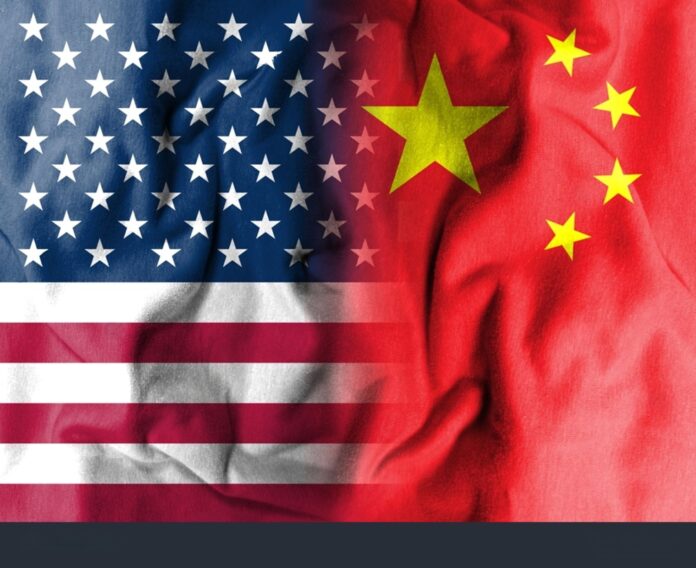
Diplomatic Progress:
- Xi-Trump summit produces plan for direct military communication channel.
- Hotline aims to de-escalate crises and avoid “dangerous miscalculation.”
- Agreement follows trade concessions and renewed anti-fentanyl cooperation.
New Era in Relations:
The United States and China announced a major step forward in managing great-power rivalry, agreeing to establish a direct military-to-military hotline after the Xi-Trump summit in Busan. Defense Secretary Pete Hegseth and his Chinese counterpart, Admiral Dong Jun, led the negotiations; both countries called the move “a tool to manage rising tensions” and prevent accidental conflict. At the summit, Presidents Trump and Xi also pledged to expand anti-drug cooperation and continue reducing tariffs, framing the meeting as a diplomatic turning point.
Why It Matters:
The hotline is designed to allow top commanders rapid, secure communication during emergencies, reducing the risk of escalation in sensitive regions like Taiwan or the South China Sea. Analysts say the agreement reflects both sides’ desire to stabilize relations, especially after years of trade standoffs and military standoffs in the Pacific. The hotline marks the first such U.S.–China military link in nearly a decade and is expected to test both sides’ willingness to cooperate under pressure.
Broader Impact:
The hotline announcement comes alongside deals on trade tariffs, fentanyl enforcement, and rare earth exports, signaling a broader cooling in tensions. Other nations in the Asia-Pacific region and U.S. military allies will be closely watching to see if the system is used transparently—and whether it leads to real crisis management or “hotline diplomacy” in name only.
Takeaway:
The military hotline sets a new precedent for communication between Washington and Beijing, providing a direct diplomatic tool to help maintain peace in the world’s most fragile security theater.
Sources Used: