Story Highlights
• The Trump administration announced support for a $1.6 billion funding effort tied to USA Rare Earth.
• The move aims to strengthen domestic supply chains for critical minerals.
• Officials cite national security and economic resilience concerns.
What Happened
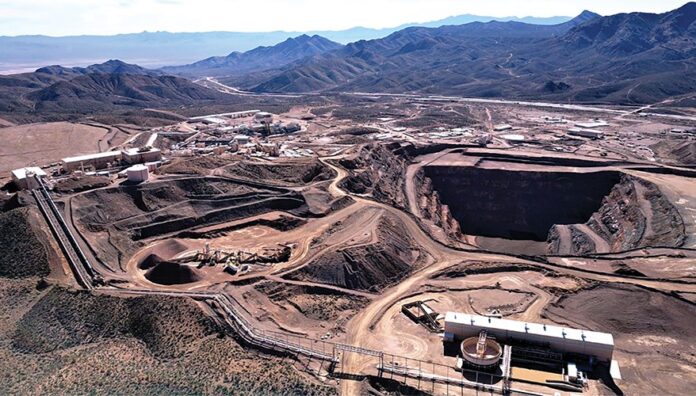
The United States government announced support for a $1.6 billion funding package to help USA Rare Earth expand domestic production and processing of rare earth minerals, according to Reuters. The initiative is designed to reduce U.S. dependence on foreign suppliers, particularly China, which currently dominates global rare earth processing.
Rare earth elements are essential components in advanced technologies, including defense systems, electric vehicles, renewable energy equipment, and consumer electronics. U.S. officials said boosting domestic capacity is critical to ensuring reliable access to these materials amid rising geopolitical competition.
The announcement aligns with broader efforts by the Trump administration to onshore strategic industries and reinforce supply chains viewed as vital to national security and industrial competitiveness.
Why It Matters
Rare earths play an outsized role in modern economies despite being used in relatively small quantities. Disruptions in supply can have cascading effects across defense manufacturing, clean energy deployment, and high‑tech industries.
By supporting domestic rare earth development, U.S. policymakers aim to reduce vulnerability to export controls or geopolitical leverage by foreign suppliers. The move could also encourage private investment, job creation, and technological innovation within the U.S. mining and processing sector.
For global markets, the funding underscores how strategic minerals are becoming central to economic and security planning, not just commodity pricing.
Political and Geopolitical Implications
Politically, the initiative reflects bipartisan concern over supply‑chain security, though the Trump administration has emphasized direct industrial policy tools and targeted funding to accelerate results. Supporters argue that decisive action is needed to counter China’s dominance, while critics caution about costs and environmental considerations.
Geopolitically, expanding U.S. rare earth capacity could gradually reshape global supply dynamics. Allies seeking alternatives to Chinese supply chains may view the U.S. as a more reliable partner, potentially strengthening economic and security cooperation across regions.
The move also signals that competition over critical minerals will remain a defining feature of global geopolitics in the coming decade.
Implications
If the funding leads to successful expansion of U.S. rare earth production, it could mark a turning point in reducing long‑standing supply vulnerabilities. However, building a fully competitive supply chain will take time, regulatory coordination, and sustained investment. The effectiveness of the initiative will be measured by whether it delivers reliable output at scale and supports long‑term strategic independence.
Source
U.S. backs $1.6 billion funding to boost domestic rare earth supply