Story Highlights
- U.S. and Iran engage in direct, face-to-face negotiations
- Talks signal a shift toward diplomatic engagement
- Focus remains on de-escalation and regional stability
What Happened
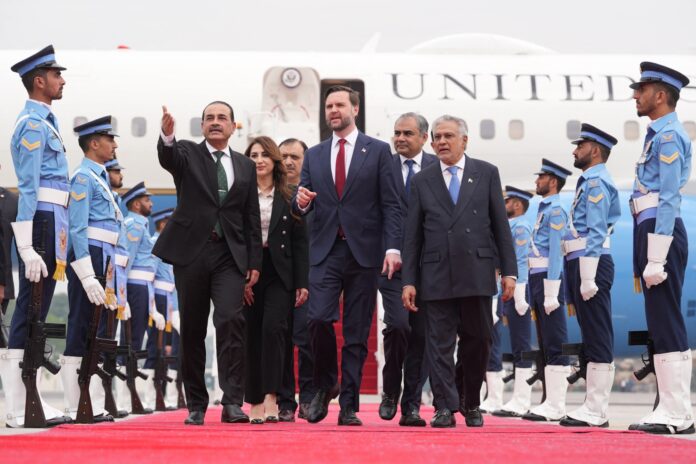
The United States and Iran have entered into direct talks in Islamabad, marking a significant development in efforts to address ongoing tensions. The face-to-face discussions represent a shift from indirect communication channels to more immediate and structured diplomatic engagement.
The talks are centered on reducing tensions and exploring pathways toward stability. Officials from both sides are participating in discussions that aim to address key concerns, including security issues and potential frameworks for de-escalation.
Islamabad has been chosen as a neutral venue, providing an environment conducive to dialogue. The setting reflects coordinated efforts to facilitate meaningful engagement and encourage progress in negotiations.
While no formal agreements have been announced, the initiation of direct talks is being viewed as a constructive step. Observers note that such engagement can help build trust and create opportunities for further diplomatic progress.
Why It Matters
Direct talks between the United States and Iran are important because they create opportunities for clearer communication and faster decision-making. This can reduce misunderstandings and support more effective conflict management.
From a global perspective, improved relations or reduced tensions can have positive effects on economic stability, particularly in areas sensitive to geopolitical developments such as energy markets.
The development also highlights the importance of diplomacy in resolving complex international issues. By engaging directly, both sides demonstrate a willingness to pursue dialogue over prolonged conflict.
Additionally, successful discussions could open the door to broader agreements, contributing to long-term stability in the region.
Political and Geopolitical Impact
Domestically, the talks may influence discussions around foreign policy and international engagement. Diplomatic efforts of this scale often shape political narratives and policy priorities.
The situation may also impact legislative discussions related to national security and international relations, as policymakers assess the implications of ongoing negotiations.
Geopolitically, direct engagement between the United States and Iran can influence regional dynamics and relationships with other countries. Progress in talks may lead to shifts in alliances and strategic positioning.
The broader international community is closely monitoring these developments, as outcomes could affect global diplomatic strategies and economic conditions.
Implications
If the talks lead to meaningful progress, they could help reduce tensions and support a more stable geopolitical environment. This would have positive implications for both regional security and global markets.
However, the outcome remains uncertain, and sustained effort will be required to translate discussions into concrete agreements. Challenges such as trust and compliance will continue to play a role.
In the long term, the talks underscore the value of direct diplomatic engagement. Continued dialogue will be essential in addressing complex international challenges and maintaining stability.
Sources
“U.S. and Iran hold direct talks in Islamabad in diplomatic breakthrough”