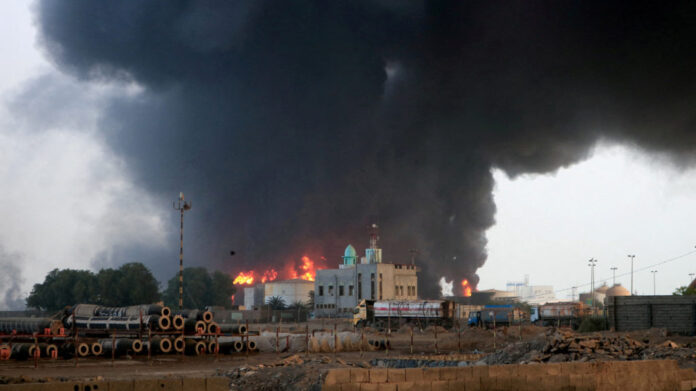
U.S. and allied forces carried out coordinated airstrikes on missile launch sites controlled by Houthi militants in Yemen after a series of attacks threatened commercial shipping in the Red Sea, defense officials confirmed. The strikes targeted launch infrastructure, radar systems, and weapons storage areas believed to be used in recent drone and missile attacks against international vessels.
Military officials said the operation aimed to weaken the militants’ ability to disrupt maritime traffic moving through the region’s strategic shipping lanes.
Situation Overview
According to defense officials, multiple strike aircraft and naval assets were involved in the operation, hitting several locations used by Houthi militants to launch drones and anti-ship missiles.
The targets were located in areas of Yemen where the Houthis maintain strong control. Officials said the strikes were carefully planned to reduce threats to international shipping while limiting civilian risk.
The operation comes after repeated drone and missile launches toward cargo ships traveling through the Red Sea.
Strategic Context
The Red Sea corridor is one of the world’s most important maritime trade routes. Ships traveling between Europe and Asia through the Suez Canal must pass through the Bab el-Mandeb Strait near Yemen.
Security analysts say attacks on vessels in this corridor could significantly disrupt global trade and energy shipments.
Key concerns include:
Potential damage to commercial cargo ships and oil tankers
Rising insurance costs for vessels traveling through the region
Possible rerouting of ships around Africa
Delays in international supply chains
Military officials say protecting maritime trade routes is a priority for international security forces.
Regional Implications
The strikes also highlight the growing role of Iran-aligned groups in regional conflicts.
The Houthi movement has received support from Iran and has increasingly targeted shipping lanes as part of its broader regional strategy.
Security analysts warn that continued attacks could trigger additional military operations aimed at destroying missile and drone launch infrastructure along Yemen’s coastline.
International Response
Western governments have expressed support for efforts to secure global shipping lanes while urging caution to avoid further escalation in the region.
Several nations have deployed naval vessels to the Red Sea to help escort commercial ships and monitor potential threats.
Diplomatic officials say maintaining freedom of navigation in international waters remains a key priority.
What Analysts Are Watching
Experts say several developments could determine how the situation evolves:
Whether additional missile or drone attacks occur
Further coalition strikes targeting launch sites
Increased naval patrols protecting commercial vessels
Diplomatic efforts aimed at reducing tensions
While the latest strikes targeted specific military infrastructure, analysts say the broader regional conflict remains volatile.
Bottom Line
The latest U.S. and allied airstrikes against Houthi missile sites highlight how conflicts in the Middle East are increasingly intersecting with global economic security. With international shipping lanes under threat and military forces expanding patrols across the Red Sea, the region remains a critical geopolitical flashpoint.