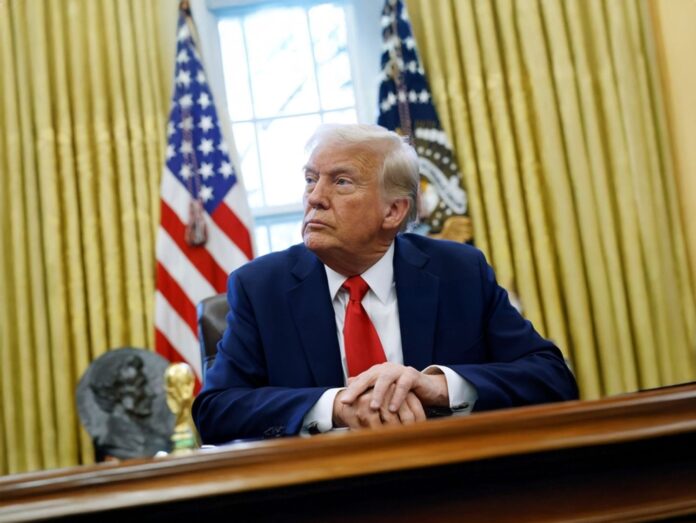
President Donald Trump has issued one of his starkest warnings yet to Venezuela, demanding that the Maduro government “take back” prisoners allegedly sent into the United States. Speaking on September 20, 2025, Trump vowed there would be an “incalculable” price to pay if Caracas failed to comply. The remarks escalate already tense U.S.–Venezuelan relations, coming just days after a deadly U.S. strike on a Venezuelan drug boat.
What Happened
In a press conference at the White House, Trump claimed that Venezuela had deliberately allowed violent offenders and convicts to enter U.S. territory through irregular migration channels. While he provided no detailed evidence during the speech, Trump said federal agencies were “tracking” individuals tied to crimes inside America.
“This is a direct test of American sovereignty,” Trump declared. “If Venezuela doesn’t take back their prisoners, the price will be incalculable.”
The warning came as U.S. intelligence agencies reported increased migration flows through Latin America, with concerns that some governments were turning a blind eye to criminal networks.
Why It Matters
This ultimatum is significant for several reasons:
National Security Framing: Trump is portraying migration not just as a border management issue but as a matter of national defense.
Regional Tensions: U.S.–Venezuela relations have been hostile for years, but direct threats of retaliation over prisoners mark a new flashpoint.
Policy Shift: The administration appears willing to use sanctions, interdictions, and potentially military leverage to pressure Caracas.
The rhetoric is consistent with Trump’s broader “maximum pressure” strategy in Latin America, blending migration, narcotics enforcement, and diplomatic coercion.
Reaction in Venezuela and Abroad
Venezuelan officials swiftly condemned the statement, calling it “reckless” and accusing Washington of manufacturing a crisis to justify aggression. Government spokespeople said Venezuela is not responsible for U.S. crime rates and rejected the characterization of its citizens as “prisoners.”
In the U.S., Republicans largely rallied behind Trump, with allies praising the hardline stance as overdue. Democrats, however, warned that the threats could backfire, potentially provoking Caracas to harden its position and complicating any chance of cooperation on migration.
International observers, including regional human rights groups, urged caution. They warned that collective punishment of migrants could worsen humanitarian conditions for Venezuelans already fleeing economic and political turmoil.
What’s Next
Possible Sanctions: The U.S. may tighten economic sanctions on Venezuela if the demand is ignored.
Military Posture: Analysts are watching for new naval patrols in the Caribbean, similar to recent anti-narcotics operations.
Migration Policy: Domestically, Trump’s remarks could lead to stricter detention and deportation protocols for Venezuelan migrants.
Diplomatic Fallout: Allies in the region, especially Colombia and Brazil, may be pressured to take sides in the escalating dispute.
The next weeks will reveal whether the ultimatum is rhetorical pressure or a prelude to concrete U.S. action.