Story Highlights
• The Trump administration announced sweeping federal permitting reforms.
• The changes aim to accelerate infrastructure and energy project approvals.
• Officials say the move reduces regulatory delays and boosts investment.
What Happened
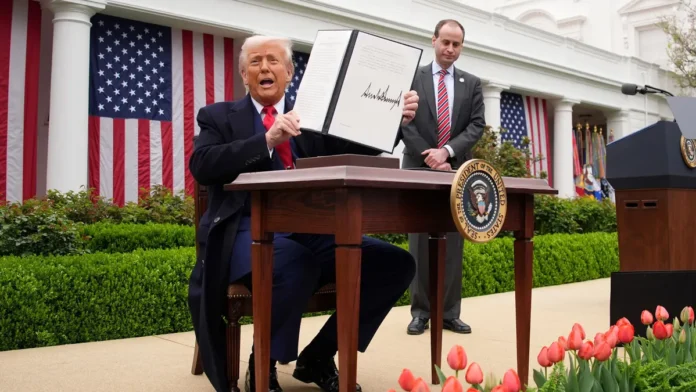
The administration of Donald Trump announced a new set of federal permitting reforms designed to streamline approvals for major infrastructure, transportation, and energy projects, according to Reuters. The initiative focuses on shortening environmental review timelines, improving interagency coordination, and reducing duplicative regulatory procedures.
Administration officials said lengthy permitting processes have slowed highways, bridges, pipelines, and power‑generation projects for years. Under the revised framework, agencies will be required to adhere to stricter deadlines and consolidate overlapping reviews where possible.
The changes build on prior efforts to accelerate infrastructure development while maintaining compliance with existing environmental laws. Officials described the overhaul as a modernization of federal review procedures rather than a removal of oversight.
Why It Matters
Infrastructure projects often face multi‑year approval processes before construction can begin. Shortening these timelines can significantly affect project costs, financing, and private‑sector investment decisions.
Supporters argue that faster permitting improves economic competitiveness, creates jobs, and enhances energy reliability. Delays in project approvals can increase costs for taxpayers and businesses alike, particularly in sectors such as renewable energy, fossil fuels, transportation logistics, and grid modernization.
Markets often respond positively to signals that regulatory barriers are being reduced, especially in capital‑intensive industries where time‑to‑approval directly impacts returns on investment.
Political and Geopolitical Implications
Politically, the permitting reforms align with Trump’s broader emphasis on deregulation and economic growth. Supporters view the move as a practical solution to longstanding bureaucratic inefficiencies that affect both public and private infrastructure development.
The reforms may also influence state‑federal relations, as states often coordinate with federal agencies on large‑scale projects. Accelerated timelines could shift how infrastructure planning is structured at multiple levels of government.
Geopolitically, stronger infrastructure capacity can enhance U.S. economic resilience and supply‑chain efficiency. Modern ports, highways, and energy systems play a strategic role in global competitiveness and trade flows.
Implications
In the near term, federal agencies will begin implementing the revised timelines and coordination procedures. Infrastructure developers are expected to evaluate how the new rules affect project pipelines and capital planning.
Longer term, if permitting approvals become more predictable and efficient, the reforms could stimulate broader investment across energy, transportation, and manufacturing sectors. Legal challenges or regulatory adjustments may still shape final implementation details.
For now, the announcement signals a continued focus on accelerating project development while reinforcing the administration’s commitment to regulatory reform.
Source
Trump administration announces new infrastructure permitting reforms