Story Highlights
- President Donald Trump proposed up to 100% tariffs on certain patented drugs.
- The policy aims to push pharmaceutical manufacturing back to the United States.
- The move is positioned as a strategy to reduce drug prices and strengthen supply chain security.
What Happened
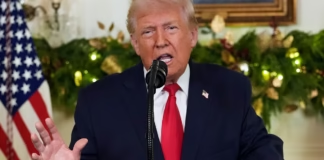
President Donald Trump announced a major shift in U.S. trade and healthcare policy by proposing tariffs of up to 100% on certain patented pharmaceutical imports. The announcement, tied to the broader “Liberation Day” economic framework, reflects a renewed focus on domestic manufacturing and economic independence in critical industries. According to reports, the administration is targeting drugs that are heavily reliant on foreign production, particularly those manufactured in countries where pricing and supply dynamics are largely outside U.S. control.
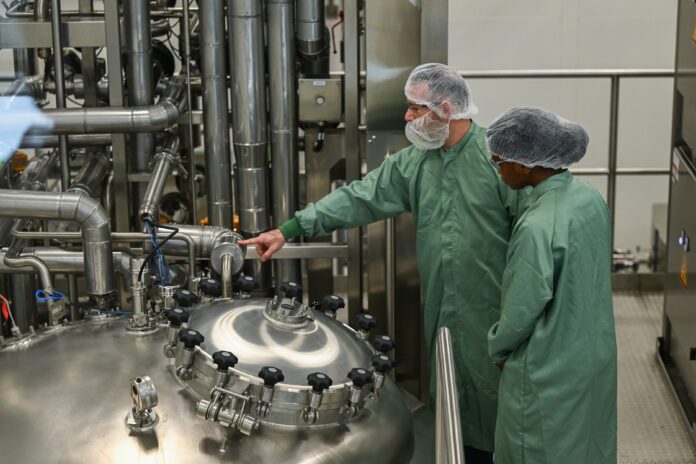
The policy is designed to act as both a deterrent and an incentive. By making imported drugs significantly more expensive through tariffs, the administration hopes to encourage pharmaceutical companies to relocate manufacturing facilities to the United States. Officials argue that this approach will not only boost domestic production but also create jobs and reduce long-term dependence on overseas supply chains. The announcement signals a willingness to use aggressive trade tools to reshape the pharmaceutical sector.
Why It Matters
At its core, this policy addresses two major concerns that have dominated U.S. healthcare debates for years: high prescription drug costs and supply chain vulnerability. Drug pricing in the United States has consistently been higher than in many other developed countries, leading to ongoing political and public pressure for reform. By introducing tariffs, the administration is attempting to create leverage that could force companies to rethink pricing strategies and production models.
Another key factor is national resilience. The COVID-19 pandemic exposed how fragile global supply chains can be, particularly in the healthcare sector. Shortages of essential drugs and medical supplies raised alarms about the risks of relying too heavily on foreign manufacturers. This tariff strategy is positioned as a proactive measure to ensure that critical medications can be produced domestically, reducing exposure to geopolitical tensions, trade disruptions, or export restrictions.
Political and Economic Impact
The proposal places the pharmaceutical industry at a critical crossroads. Companies may need to decide whether to absorb the costs associated with tariffs, pass them on to consumers, or invest in building or expanding manufacturing facilities within the United States. Each option carries significant financial and operational implications, which could reshape the competitive landscape of the industry.
From a political standpoint, the move reinforces a broader economic philosophy centered on domestic production and strategic independence. It aligns with ongoing efforts to bring key industries back to the U.S., particularly those considered essential for national security and public well-being. Supporters view this as a decisive step toward reducing reliance on global supply chains, while critics may raise concerns about potential short-term price increases or market disruptions.
Broader Industry Context
The pharmaceutical sector has long operated within a globalized framework, with production and research spread across multiple countries. While this model has allowed for cost efficiencies and innovation, it has also introduced vulnerabilities that become apparent during periods of crisis. The proposed tariffs represent a shift toward a more localized production model, which could fundamentally alter how the industry operates.
In addition, the policy may influence future negotiations between the government and pharmaceutical companies. By introducing tariffs as a leverage tool, the administration is signaling that it is willing to use trade policy to achieve healthcare objectives. This could lead to new frameworks for pricing agreements, domestic investment incentives, and regulatory changes aimed at strengthening the U.S. pharmaceutical ecosystem.
Implications
If implemented, the tariff policy could accelerate the transition toward domestic pharmaceutical manufacturing, potentially creating jobs and strengthening supply chain resilience. However, the transition may take time, and short-term market adjustments are likely. Regardless of the outcome, the proposal marks a significant step toward integrating trade policy with healthcare reform, signaling a new direction for U.S. economic and public health strategy.