Story Highlights
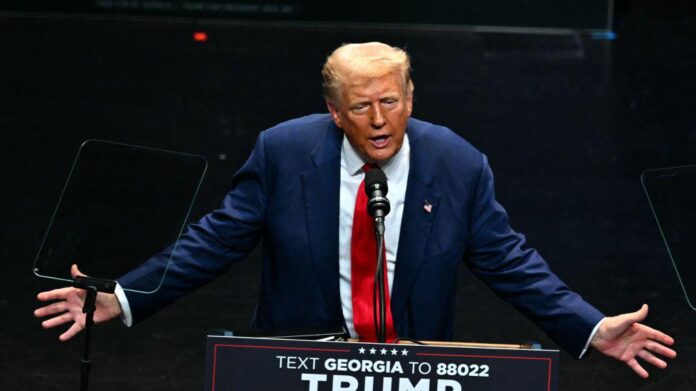
Donald Trump signaled potential adjustments to U.S. tax policy.
The proposal focuses on encouraging business investment and economic expansion.
Officials say the move aims to strengthen long‑term growth and competitiveness.
What Happened
President Donald Trump indicated that his administration is reviewing current tax policies with the goal of introducing adjustments designed to support business investment and economic growth. The proposed changes are expected to focus on creating a more favorable environment for corporations and investors, potentially including revisions to corporate tax structures and incentives.
According to reporting from Reuters, administration officials said the initiative is part of a broader economic strategy aimed at maintaining strong growth momentum while addressing evolving market conditions. Policymakers are evaluating how tax policy can be used to encourage capital investment, job creation, and industrial expansion across key sectors.
Officials emphasized that tax policy plays a critical role in shaping business decisions. By adjusting tax structures, the government can influence how companies allocate resources, invest in new projects, and expand operations. The administration’s approach is expected to focus on simplifying certain aspects of the tax code while providing targeted incentives for industries considered important to long-term economic development.
The proposal is still in the planning stage, and details are likely to evolve as policymakers engage with business leaders, economists, and legislators. However, early signals suggest that the administration is prioritizing measures that can deliver both immediate economic benefits and sustained long-term growth.
Why It Matters
Tax policy is one of the most powerful tools available to governments for influencing economic activity. Changes in tax rates or incentives can directly affect business investment, hiring decisions, and overall economic performance.
Lower or more efficient tax structures can encourage companies to expand operations, invest in new technologies, and increase production. This can lead to job creation and higher economic output. At the same time, targeted incentives can support specific industries, helping them grow and compete more effectively in global markets.
For investors, tax policy can influence decisions about where and how to allocate capital. Favorable tax conditions may attract both domestic and international investment, contributing to stronger financial markets and increased economic activity.
Consumers can also feel the effects of tax policy changes. Economic growth driven by increased investment and job creation can lead to higher incomes and improved financial stability, which in turn supports consumer spending.
Political and Geopolitical Context
Tax policy is often closely tied to broader political and economic priorities. Governments use fiscal measures to support domestic industries, encourage innovation, and maintain competitiveness in the global economy.
The Trump administration has consistently emphasized pro‑growth economic policies, including tax strategies aimed at стимулиating business activity. Supporters argue that such policies can strengthen the U.S. economy by making it more attractive for investment and production.
Globally, tax competition between countries is an important factor in economic strategy. Nations often adjust tax policies to attract businesses and capital, creating a dynamic environment where governments seek to balance revenue generation with economic growth.
At the same time, tax reforms can involve complex negotiations within legislative bodies. Policymakers must consider factors such as budget impacts, regulatory frameworks, and long-term fiscal sustainability when designing new policies.
Implications
If implemented, the proposed tax adjustments could lead to increased business investment and stronger economic activity in the United States. Companies may respond to improved tax conditions by expanding operations, hiring more workers, and investing in innovation.
However, the overall impact will depend on the specific details of the policy and how it is implemented. Policymakers will need to balance growth objectives with fiscal considerations to ensure long-term sustainability.
In the broader context, tax policy changes could reinforce the United States’ position as a competitive global economy. By encouraging investment and supporting key industries, the administration aims to create conditions that support continued economic expansion.
Sources
Headline:
Trump signals review of U.S. tax policy to support growth