Story Highlights
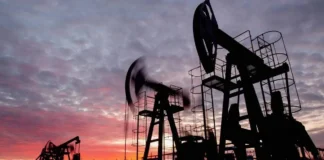
Donald Trump outlined plans to expand energy production alongside infrastructure upgrades.
The strategy focuses on improving supply capacity and economic efficiency.
Officials say integrated development supports long-term resilience and competitiveness.
What Happened
President Donald Trump highlighted a coordinated push to expand U.S. energy production while accelerating infrastructure development, positioning the dual strategy as a key driver of long-term economic growth. The administration emphasized that strengthening both sectors simultaneously can create a more efficient and resilient economic foundation.
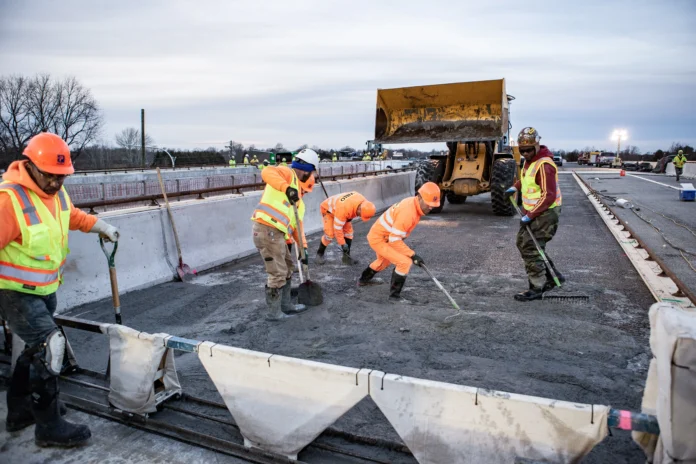
According to reporting from Reuters, officials noted that ongoing efforts include increasing domestic oil and natural gas output, expanding pipeline networks, and investing in transportation infrastructure such as highways, bridges, and logistics systems. These initiatives are designed to enhance the movement of goods and energy resources across the country, improving overall efficiency.
Policymakers also pointed to the importance of reducing delays in project approvals. By streamlining regulatory processes and improving coordination between federal and state authorities, the administration aims to accelerate the completion of large-scale projects. This approach is expected to reduce costs, improve timelines, and ensure that infrastructure keeps pace with economic demands.
In addition, the strategy includes integrating modern technologies into infrastructure systems. Digital tools, data analytics, and advanced monitoring systems are being incorporated to improve performance, optimize operations, and support long-term sustainability.
Why It Matters
Energy and infrastructure are fundamental components of economic performance. Reliable energy supply ensures that industries such as manufacturing, transportation, and technology can operate efficiently, while modern infrastructure enables the movement of goods and services across the economy.
Expanding energy production can provide multiple benefits, including job creation, increased output, and improved supply stability. The energy sector supports a wide range of employment opportunities, from exploration and production to distribution and maintenance. Growth in this area can have a positive impact on regional economies.
Infrastructure development also plays a critical role in supporting economic activity. Efficient transportation networks reduce costs for businesses, improve delivery times, and enhance supply chain performance. This can lead to increased productivity and competitiveness across industries.
For consumers, improvements in energy and infrastructure can translate into more stable prices and better access to goods and services. Reliable systems help ensure that economic activity remains consistent, even in the face of external challenges.
Political and Geopolitical Context
Energy and infrastructure policies are closely tied to national strategy and global positioning. Governments often prioritize these sectors to strengthen economic resilience and reduce dependence on external resources.
The Trump administration has emphasized domestic development as a means of enhancing economic strength. Supporters argue that increasing energy production and modernizing infrastructure can reduce vulnerabilities and improve the country’s ability to respond to global market changes.
Globally, infrastructure investment has become a key area of competition. Countries are investing heavily in transportation networks, energy systems, and digital infrastructure to strengthen their economies. In this context, maintaining modern and efficient systems is essential for remaining competitive.
Energy policy also has geopolitical implications. As a major energy producer, the United States can influence global markets and support allies through exports. Expanding infrastructure further enhances this capability by enabling efficient distribution and trade.
At the same time, policymakers must balance development with considerations such as environmental standards, funding requirements, and long-term sustainability. Achieving this balance is critical for ensuring that projects deliver lasting benefits.
Implications
If successfully implemented, the combined focus on energy and infrastructure could lead to stronger economic performance and increased resilience. Enhanced systems may reduce operational costs for businesses, improve supply chain efficiency, and support long-term growth.
For businesses, improved infrastructure and stable energy supply create a favorable environment for expansion. Companies may invest more in operations, technology, and workforce development when they have confidence in underlying systems.
For policymakers, the challenge will be ensuring that projects are executed efficiently and aligned with broader economic goals. Effective planning, coordination, and resource allocation will be essential for achieving desired outcomes.
In the long term, continued investment in energy and infrastructure may reinforce the United States’ position as a leading global economy. By strengthening foundational systems, the country can support innovation, productivity, and sustained economic growth.
Sources
Trump signals expansion of U.S. energy and infrastructure strategy