Story Highlights
- Trump issues firm deadline to Iran over Strait of Hormuz access
- U.S. signals willingness to escalate if oil routes remain threatened
- Global markets and allies closely watching next move
What Happened
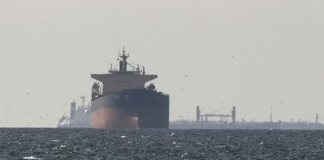
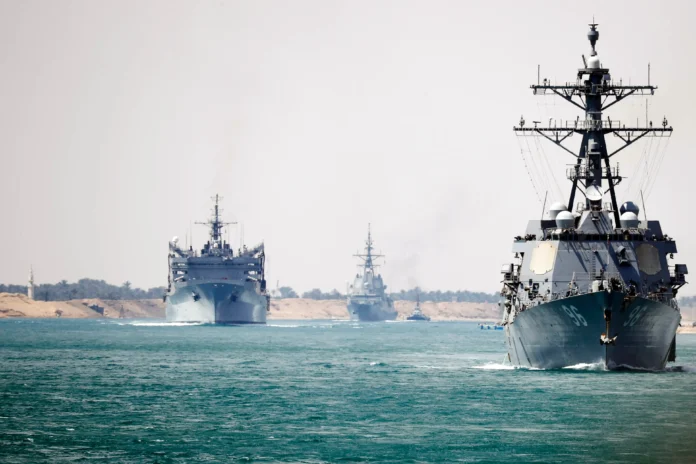
The Trump administration has issued a direct and time-bound warning to Iran, demanding that it reopen and secure access to the strategically critical Strait of Hormuz. The move comes amid rising tensions in the region, with reports of disruptions to commercial shipping routes and heightened military activity across the Persian Gulf.
The Strait of Hormuz, through which a significant portion of the world’s oil supply flows, has long been a geopolitical flashpoint. By setting a clear deadline, Trump has shifted from a reactive posture to a proactive strategy, signaling that the United States is prepared to act decisively if global energy routes remain under threat.
Officials familiar with the situation indicate that this approach is designed not only to deter further escalation but also to force Iran back into negotiations under increased pressure. The administration’s stance reflects a broader effort to maintain stability in global energy markets while asserting U.S. leadership in the region.
Why It Matters
The implications of this deadline extend far beyond the immediate U.S.-Iran relationship. Any disruption in the Strait of Hormuz has the potential to trigger significant volatility in global oil prices, impacting economies worldwide—from major industrial nations to developing countries dependent on energy imports.
Trump’s approach underscores the strategic importance of safeguarding international trade routes. By framing the issue as one of global economic security rather than a bilateral dispute, the administration is positioning itself as a defender of international stability.
At the same time, the move sends a strong message to both allies and adversaries. For allies, it reinforces the U.S. commitment to maintaining open sea lanes and protecting shared economic interests. For adversaries, it signals that attempts to leverage critical infrastructure for geopolitical gain will face firm resistance.
Political & Geopolitical Implications
Geopolitically, this development marks a significant escalation in U.S. policy toward Iran. The use of a deadline introduces a sense of urgency that could either accelerate diplomatic engagement or increase the risk of confrontation.
For the Middle East, the stakes are particularly high. Regional actors are closely monitoring the situation, aware that any conflict involving the Strait of Hormuz could quickly expand into a broader crisis affecting multiple countries.
Domestically, the move positions Trump as taking a strong, decisive stance on national security and global leadership. It aligns with a broader policy framework that prioritizes assertiveness in foreign affairs, particularly in areas tied to economic and strategic interests.
At the international level, the response from global powers will be critical. Nations dependent on stable oil supplies may support efforts to secure the strait, while others may call for restraint to avoid further escalation.
Implications
If the deadline leads to compliance, it could reinforce the effectiveness of pressure-based diplomacy and stabilize global markets in the short term. However, failure to reach a resolution may increase the likelihood of military or economic escalation, introducing new uncertainties into an already fragile geopolitical landscape. The coming days will be crucial in determining whether this strategy results in negotiation or confrontation.