Story Highlights
Donald Trump said recent U.S. military actions have significantly reduced Iran’s drone and weapons capabilities.
Administration officials argue the operations were designed to strengthen regional security and deter further escalation.
Analysts say the developments highlight the strategic balance between military deterrence and diplomatic stability in the Middle East.
What Happened
President Donald Trump said that recent U.S. military operations targeting Iranian military infrastructure have significantly weakened the country’s drone and weapons capabilities. Speaking about national security developments, Trump emphasized that the actions were intended to reduce threats posed by Iranian military systems while reinforcing the United States’ commitment to regional stability.
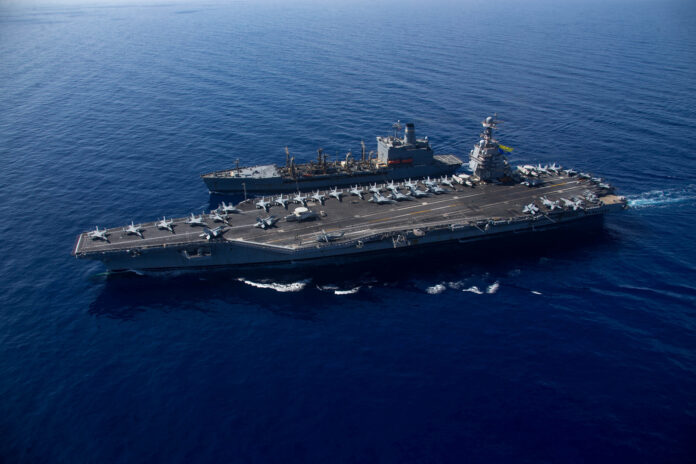
According to reporting from Reuters, U.S. defense officials indicated that several targeted operations were conducted against facilities associated with weapons production and drone capabilities. Officials said the objective was to disrupt systems that could potentially threaten U.S. forces and allied partners operating in the region.
The administration framed the actions as part of a broader deterrence strategy. By targeting key military infrastructure, policymakers argue that the United States can limit the operational capabilities of adversarial forces while sending a clear signal about its willingness to respond to security threats.
Why It Matters
Military developments involving Iran often have significant implications for regional security and global stability. Iran’s drone and missile capabilities have been closely monitored by defense analysts for years due to their potential impact on conflicts across the Middle East.
Reducing the operational capacity of these systems may influence the strategic calculations of multiple actors in the region. Defense experts note that military deterrence strategies often aim to prevent escalation by demonstrating the ability to neutralize potential threats before they develop further.
In addition to regional implications, developments involving Iran can influence global energy markets and international diplomacy. The Middle East remains a critical region for global energy supply, meaning security dynamics there can affect economic conditions beyond the region itself.
Political and Geopolitical Context
Relations between the United States and Iran have experienced periods of tension for decades, with disputes involving nuclear policy, regional influence, and security concerns. Military deterrence has often been part of the broader strategy used by multiple U.S. administrations to address these challenges.
The Trump administration has frequently emphasized a policy approach that combines diplomatic pressure with strong military readiness. Supporters of the approach argue that maintaining credible deterrence reduces the likelihood of broader conflict by discouraging aggressive actions.
At the same time, geopolitical analysts stress that long‑term stability in the region often requires both security measures and diplomatic engagement. Balancing deterrence with negotiation has historically played a role in managing tensions between major regional actors.
Implications
If the reported reduction in Iran’s military capabilities proves significant, it could alter short‑term security dynamics in the Middle East. Reduced operational capacity may limit certain military activities while giving policymakers additional time to pursue diplomatic solutions.
In the longer term, regional stability will likely depend on a combination of strategic deterrence, international cooperation, and continued diplomatic dialogue among key actors involved in Middle Eastern
security.