Story Highlights
Donald Trump reaffirmed support for expanding domestic oil and natural‑gas production.
Officials say stronger U.S. energy output can improve supply stability and support economic growth.
The strategy positions American energy production as a key pillar of national security and global influence.
What Happened
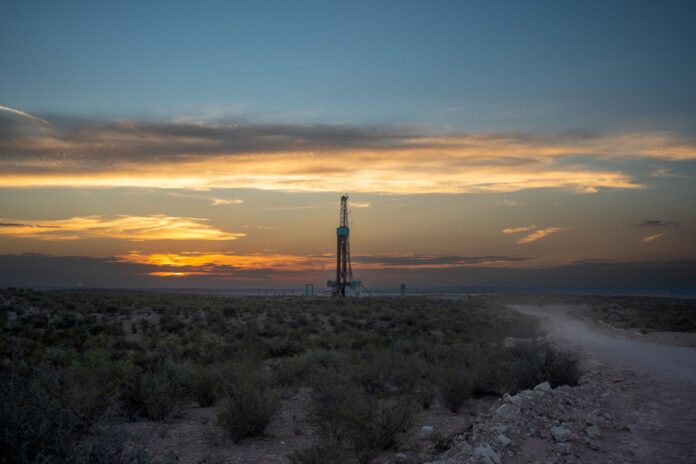
President Donald Trump reiterated the administration’s focus on expanding domestic energy production, highlighting policies aimed at increasing oil and natural‑gas output across the United States. During remarks on economic and energy policy, Trump emphasized that maintaining strong domestic production is central to both economic growth and national security.
According to reporting from Associated Press, administration officials say energy policy initiatives are designed to encourage investment in drilling operations, pipeline infrastructure, and refining capacity. These efforts are intended to ensure reliable domestic supply while strengthening the United States’ role as one of the world’s leading energy producers.
Officials argue that expanded energy production also supports broader industrial activity. The energy sector drives investment in industries such as manufacturing, engineering, transportation, and construction. By strengthening these interconnected industries, policymakers believe energy development can contribute to long‑term economic expansion.
Why It Matters
Energy production plays a significant role in shaping the U.S. economy. As one of the world’s largest producers of oil and natural gas, the United States has considerable influence over global energy markets. Changes in domestic production levels can affect international supply, pricing dynamics, and trade relationships.
Supporters of expanded domestic production say energy independence reduces reliance on imported fuels, allowing the United States to maintain greater control over its energy supply. This independence can help protect the economy from disruptions caused by geopolitical tensions or global supply shortages.
The energy sector also supports millions of jobs across the country. Workers in drilling operations, equipment manufacturing, pipeline construction, and refining facilities all contribute to the broader energy economy. Increased investment in production infrastructure can therefore generate significant economic activity at both regional and national levels.
Political and Geopolitical Context
Energy policy often intersects with broader geopolitical considerations. Countries with strong domestic energy resources frequently possess greater leverage in global markets and diplomatic negotiations. Maintaining high levels of domestic production allows the United States to play a prominent role in shaping global energy supply.
The Trump administration has consistently framed energy independence as a strategic objective. Officials argue that strong domestic production enhances national security while also providing economic benefits through exports and industrial development.
At the same time, the global energy landscape continues to evolve as new technologies and alternative energy sources emerge. Policymakers are increasingly examining how traditional energy production can coexist with innovations in energy technology while maintaining economic stability.
Implications
If domestic energy production continues to expand, the United States could further strengthen its position as a leading global energy supplier. Increased output may support economic growth while contributing to stable energy markets both domestically and internationally.
In the longer term, the ability to combine strong production capacity with technological innovation may shape the future of American energy leadership. Policymakers will likely continue balancing energy security, economic growth, and technological progress as global energy demand evolves.