What Happened
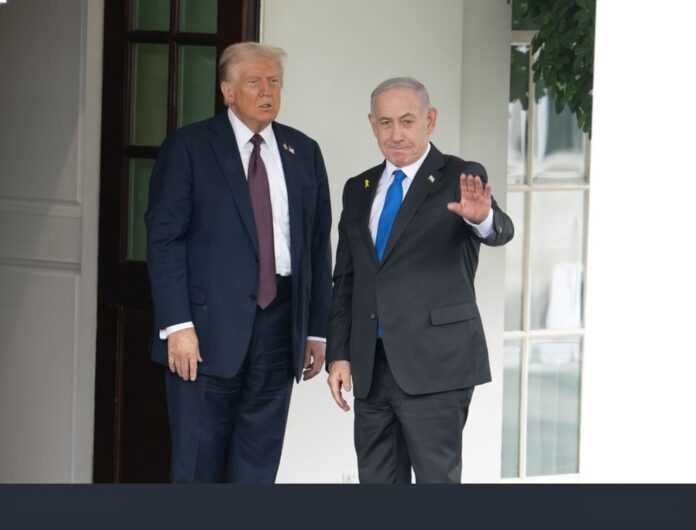
Just days after brokering the landmark Gaza cease-fire, President Donald Trump is now focused on ensuring Israeli Prime Minister Benjamin Netanyahu honors the full agreement. Multiple insiders confirmed that Trump personally called Netanyahu twice over the weekend, urging him to keep his right-wing coalition united behind the peace framework.
Under the deal, Israel must suspend offensive operations, permit limited humanitarian convoys, and cooperate with U.S.-backed monitors verifying Hamas disarmament. In return, Hamas releases hostages and foreign nationals while reconstruction aid begins flowing through Egyptian and Qatari channels.
Trump’s message was blunt: “You’ve got peace on the table — don’t let politics blow it up.” His administration views compliance as essential to cementing the U.S.-led diplomatic win and avoiding a relapse into conflict.
Why It Matters
The next 90 days are crucial. Any breakdown in Israeli consensus could unravel the fragile calm Trump built with unprecedented speed. Israel’s far-right factions, skeptical of Hamas compliance, are already lobbying for renewed strikes if “provocations” resume.
For Trump, maintaining Israeli cooperation isn’t just about the Middle East — it’s about defending his peace legacy and projecting strength heading into the 2026 election cycle. The Gaza agreement proved that direct, top-down diplomacy still works when backed by leverage and timing. Now he must show that peace can hold under pressure.
Analysts at the Foundation for Defense of Democracies note that Trump’s approach diverges sharply from the cautious, process-driven style of previous administrations. Instead of endless committees, he relies on direct negotiation and personal authority — the same formula that forged the Abraham Accords.
If Netanyahu stays aligned, the cease-fire could usher in a new era of regional normalization, including possible Saudi-Israeli trade corridors and joint energy ventures along the Mediterranean.
Reactions
From Israel:
Prime Minister Netanyahu publicly thanked Trump for his “unwavering friendship and resolve,” but faces dissent from nationalist ministers demanding stricter oversight of Gaza’s reconstruction. The opposition in the Knesset accused him of “outsourcing Israeli policy to Washington.”
From Palestine:
Palestinian officials cautiously welcomed Trump’s insistence on Israeli accountability, noting that “only U.S. enforcement gives this deal teeth.” In Gaza, border crossings remain open for aid trucks under U.S. military supervision.
From the U.S. and global arena:
Republican allies praised Trump’s persistence, calling it proof that America can be both “tough and peace-minded.” Democrats offered muted responses, acknowledging the progress but questioning whether Hamas will truly demilitarize. European leaders, meanwhile, urged both sides to “translate promises into practice.”
Financial markets reacted positively again — oil prices dipped another 1.3%, reflecting cautious optimism that the cease-fire will endure.
What’s Next
The coming weeks will test whether Netanyahu can restrain hardliners while implementing humanitarian provisions. U.S. envoys are expected in Jerusalem and Tel Aviv to finalize monitoring protocols and reconstruction milestones.
Trump has floated hosting both Netanyahu and Arab mediators at Camp David before year-end — a symbolic gesture intended to showcase sustained peace under American stewardship.
If the cease-fire holds, Trump is poised to pivot toward Phase II of his “Peace through Prosperity” initiative, channeling private-sector investment into Gaza’s energy, port, and tech infrastructure. This would mark the first major U.S.-led reconstruction project in the region since post-Iraq stabilization efforts.
Supporters frame this as a defining moment: if Trump can hold the deal together, he cements his status as the only U.S. president to end two Middle-East wars without deploying new troops.
Sources
Reuters | Axios | Jerusalem Post | CNN Politics | White House Press Briefing