Story Highlights
• President Trump signed an order prioritizing arms sales to allies with higher defense spending.
• The move aims to strengthen security partnerships and support U.S. defense manufacturing.
• Officials say the strategy aligns military cooperation with burden‑sharing principles.
What Happened
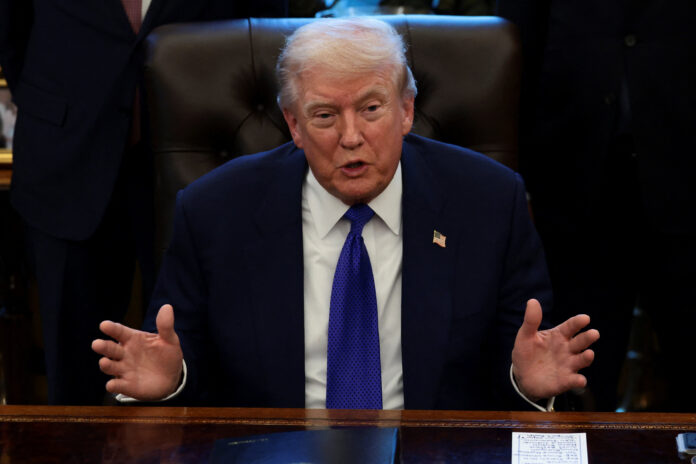
President Donald Trump signed an executive order directing the U.S. government to prioritize weapons sales to countries that contribute more significantly to their own defense and align closely with U.S. strategic interests, according to Reuters. The order establishes a framework for evaluating potential arms customers based on defense spending levels, alliance commitments, and geopolitical relevance.
Administration officials said the policy is designed to reward allies that invest in their own security while ensuring U.S. military technology is transferred in ways that advance American strategic goals. The order also emphasizes streamlining the approval process for qualified partners.
The move comes amid ongoing debates within NATO and other alliances over burden‑sharing and defense investment.
Why It Matters
U.S. weapons exports are a key component of global security cooperation and a major driver of domestic defense manufacturing. Prioritizing high‑spending allies could accelerate arms deliveries to partners viewed as more committed to collective defense.
For U.S. industry, the policy supports demand for American‑made defense systems, sustaining jobs and production capacity. For allies, faster access to U.S. weapons can enhance deterrence and interoperability with American forces.
The approach also reinforces incentives for allies to increase defense budgets.
Political and Geopolitical Implications
Politically, the order reflects Trump’s long‑standing emphasis on burden‑sharing, particularly within NATO. Supporters argue it encourages fairness by aligning U.S. support with allies’ contributions.
Geopolitically, the strategy could reshape arms‑transfer dynamics, favoring countries seen as reliable security partners. It also signals to rivals that U.S. military cooperation will be closely tied to strategic alignment and defense readiness.
The policy may influence how allies structure defense spending and procurement decisions going forward.
Implications
In the near term, allies that already meet defense‑spending benchmarks could see faster approvals for U.S. weapons purchases. Others may face added pressure to increase military investment to remain competitive for U.S. support.
Longer term, the policy could deepen military cooperation with key partners while reinforcing the U.S. defense industrial base. As global security challenges evolve, arms‑sales policy is likely to remain a central tool of U.S. strategy.
Source
Trump orders prioritizing countries with higher defense spending as weapons customers — Reuters