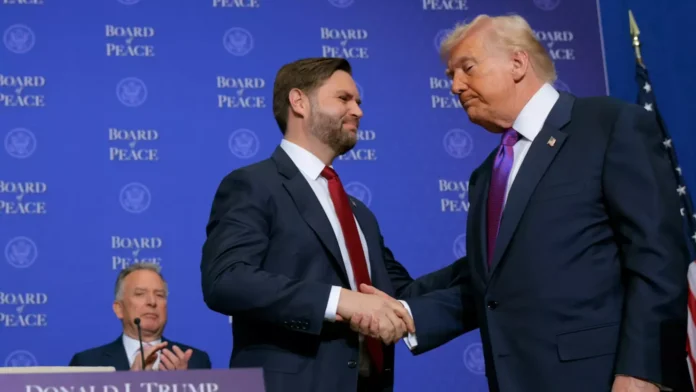
Story Highlights
Donald Trump announced the creation of a nationwide federal fraud investigation task force.
The initiative will coordinate federal and state agencies to investigate large‑scale financial crimes.
Officials say the effort is designed to strengthen enforcement against complex fraud schemes.
What Happened
The White House announced plans to establish a nationwide fraud investigation task force aimed at improving the federal government’s ability to combat complex financial crimes. President Donald Trump is expected to sign an executive order authorizing the initiative, which will coordinate efforts across multiple federal agencies and law‑enforcement departments.
According to reports from Reuters, the task force will focus on investigating large‑scale fraud schemes involving financial institutions, digital platforms, and interstate criminal networks. Officials indicated that the initiative will bring together investigators, prosecutors, and regulatory authorities to share intelligence and coordinate enforcement actions.
Administration officials said the program is intended to strengthen oversight in areas where fraud has become increasingly sophisticated. By improving collaboration between agencies such as the Department of Justice, financial regulators, and state law‑enforcement bodies, the task force aims to accelerate investigations and improve prosecution of financial crimes.
Why It Matters
Financial fraud has become a growing concern for governments and businesses as digital transactions and complex financial systems expand. Fraud schemes can range from investment scams and identity theft to large‑scale corporate misconduct involving billions of dollars.
When fraud occurs on a large scale, it can undermine public confidence in financial institutions and digital commerce. Governments therefore often prioritize enforcement initiatives designed to identify and prosecute individuals or organizations responsible for fraudulent activity.
A coordinated national task force may also improve information sharing between agencies that handle different aspects of financial oversight. For example, regulators responsible for banking compliance may detect irregular activity that criminal investigators can then examine further.
Political and Economic Context
Efforts to strengthen financial crime enforcement often emerge during periods of rapid technological change. The rise of online banking, cryptocurrency markets, and digital payment systems has created new opportunities for both legitimate financial activity and sophisticated fraud schemes.
Federal authorities frequently respond by expanding investigative capabilities and strengthening regulatory oversight. Task forces and multi‑agency initiatives allow investigators to combine technical expertise with legal resources when examining complex financial cases.
The Trump administration has emphasized the importance of protecting consumers and maintaining trust in financial markets. Officials argue that stronger enforcement can help deter fraudulent behavior while reinforcing stability in the broader economic system.
Implications
If the nationwide fraud task force operates as intended, it could lead to increased investigations and prosecutions involving complex financial crimes. Enhanced coordination between federal and state agencies may also improve the government’s ability to identify emerging fraud trends.
Over time, policymakers may evaluate whether the initiative leads to stronger financial safeguards and improved consumer protection. Continued monitoring of digital financial systems and regulatory frameworks will likely remain central to combating fraud in an increasingly interconnected economy.
Sources
Trump to launch nationwide fraud task force led by Vice President JD Vance