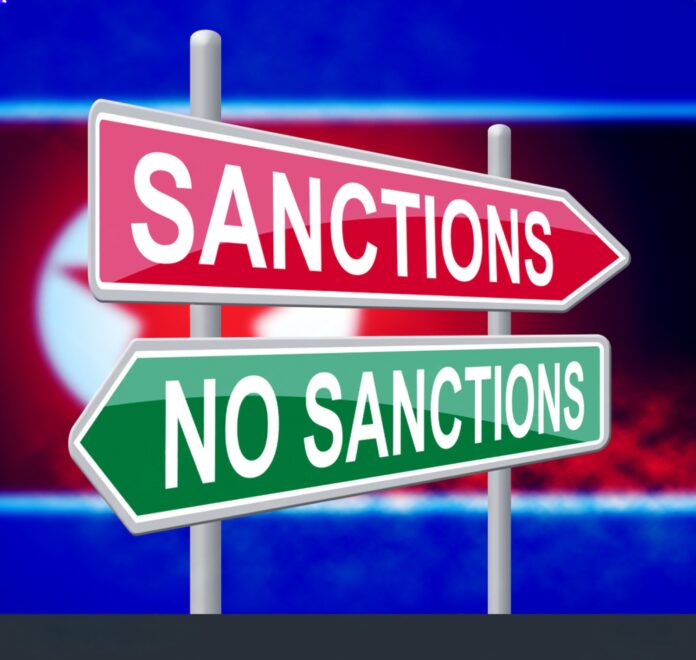
President Donald Trump has signed a consequential executive order empowering the United States to formally designate countries as “state sponsors of wrongful detention.” This tool enables Washington to levy sanctions, visa bans, and other punitive measures against nations accused of detaining American citizens unjustly—a military-style escalation in protecting U.S. nationals abroad.
What the Executive Order Accomplishes
For the first time, the U.S. can label countries that wrongfully detain Americans with a formal designation. Once labeled, the U.S. can:
Freeze assets tied to individuals or government entities.
Restrict visas for perpetrators and their families.
Limit trade and travel with those nations.
Pressure allies to enact similar punitive actions.
This marks a departure from prior policy, where cases were handled largely through diplomacy—now, there’s a swift and direct financial and travel-oriented response mechanism.
Why It Matters
In recent years, Americans have been detained in countries like China, Iran, Venezuela, and Russia under politically charged or dubious circumstances—often the result of symbolic political gestures dubbed “hostage diplomacy.” This executive order strengthens the revocation of diplomatic placidity and asserts that wrongful detention will carry immediate costs.
Proponents argue it enhances U.S. leverage and deters bad actors; critics warn of repercussions, including retaliation or reduced willingness to negotiate prisoner releases. The stakes, simply put, have escalated.
A New Chapter in U.S. Diplomacy
This action emerges from a growing frustration with past attempts at quiet diplomacy—often criticized for costly swaps or concessions. Cases of high-profile detentions, such as those involving Evan Gershkovich in Russia or dual nationals in Iran, highlight how past strategies lacked deterrence.
Reactions Around the Globe
Advocates for detainees praised the move for prioritizing the safety of U.S. citizens. Lawmakers across party lines called it a timely, bipartisan example of putting Americans first. Foreign policy experts are split: some see it as a much-needed deterrent; others see it as a risk that may harden adversarial stances or harm the prospects of delicate negotiations.
https://x.com/CBSNews/status/1837543928231113
What Comes Next?
The critical question now: which nations will be designated under this new policy? While no names have been officially announced, speculation mounts around countries with documented wrongful detentions. Broad application could reshape diplomatic relationships; narrow enforcement might prompt criticism for selective justice. Either way, the era of passive acquiescence may be over.
Sources
Article and official details from Associated Press
Analysis and context from Reuters
Historical background from The Guardian