

Story Highlights
Donald Trump emphasized strong U.S. energy production levels.
Policies focus on expanding domestic output and improving infrastructure capacity.
Officials say energy strength supports economic resilience and global competitiveness.
What Happened
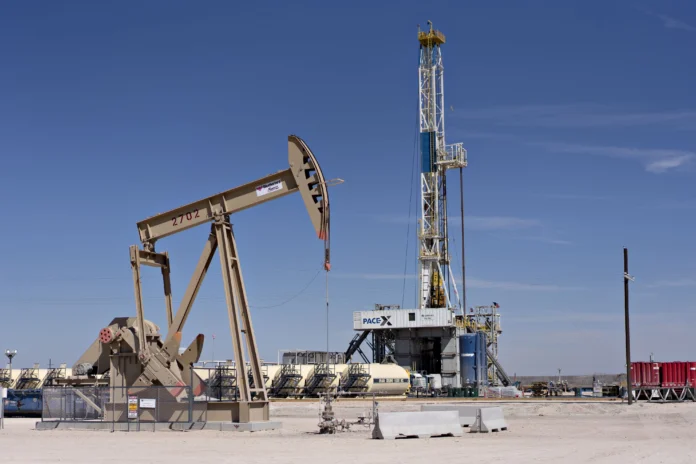
President Donald Trump highlighted the continued strength of U.S. energy production, emphasizing that domestic output remains a key pillar of economic stability and national strategy. The administration pointed to sustained production levels in oil and natural gas as evidence of the country’s ability to maintain reliable energy supply while supporting broader economic activity.
According to reporting from Reuters, officials noted that ongoing investments in drilling operations, pipeline infrastructure, and refining capacity have enabled the United States to maintain consistent output across the energy sector. These developments have reinforced the country’s position as one of the world’s leading energy producers, capable of meeting domestic demand while expanding export opportunities.
Policymakers also emphasized the role of technological innovation in driving efficiency within the industry. Advances in extraction techniques, automation, and data analytics have allowed companies to increase production while managing costs. This has strengthened productivity and enhanced the sector’s contribution to overall economic performance.
The administration framed strong energy output as part of a broader economic strategy focused on resilience and long-term growth. By ensuring a stable domestic energy supply, policymakers aim to support industries that rely on energy inputs, while also positioning the United States to respond effectively to global market dynamics.
Why It Matters
Energy production is a foundational component of the U.S. economy, supporting industries such as manufacturing, transportation, and technology. Reliable access to energy enables businesses to operate efficiently, maintain productivity, and meet consumer demand.
For businesses, strong domestic energy production reduces operational uncertainty. Companies benefit from stable supply and more predictable costs, enabling them to plan investments, expand operations, and improve competitiveness. This is particularly important for energy-intensive industries where input costs directly impact profitability.
Employment is another key factor. The energy sector supports a wide range of jobs, from exploration and engineering to infrastructure development and logistics. Continued investment in production and infrastructure can sustain employment and contribute to regional economic growth.
Consumers also benefit from stable energy production. While global market conditions continue to influence prices, strong domestic output provides a buffer against volatility, helping maintain more predictable energy costs for households and businesses.
In addition, energy production plays a significant role in trade. As a major producer, the United States can export energy resources, strengthening trade relationships and enhancing its global economic influence.
Political and Geopolitical Context
Energy policy is closely tied to national security and geopolitical strategy. Governments often prioritize domestic production to reduce dependence on external sources and enhance economic resilience.
The Trump administration has emphasized energy leadership as a strategic objective. Supporters argue that strong domestic production allows the United States to navigate global market fluctuations more effectively while maintaining influence in international energy markets.
Globally, energy markets are shaped by geopolitical developments, production decisions by major exporters, and shifts in demand. Maintaining strong domestic output allows the United States to respond effectively to these dynamics and support global supply stability.
Energy exports also contribute to international relationships. By supplying energy resources to partner countries, the United States can strengthen economic ties and support global stability. Infrastructure investments, such as pipelines and export facilities, further enhance this capability.
At the same time, the global energy landscape is evolving, with increasing attention on sustainability and alternative energy sources. Policymakers must balance traditional energy production with emerging technologies and long-term environmental considerations.
Implications
If current trends continue, the United States could further strengthen its position as a leading global energy producer. Sustained production levels and continued investment in infrastructure may support economic growth while enhancing energy security.
For businesses, a stable energy environment provides a strong foundation for long-term planning. Companies can invest in expansion, innovation, and workforce development with greater confidence when energy supply is reliable.
For policymakers, maintaining energy strength will require ongoing investment in technology, infrastructure, and regulatory frameworks. Balancing these priorities with evolving market conditions will be essential for sustaining long-term success.
In the broader context, strong domestic energy production reinforces the United States’ economic resilience and global competitiveness. By maintaining leadership in this sector, the country can continue to support growth, stability, and influence in an evolving global economy.
Sources
Trump highlights strength in U.S. energy production and output


