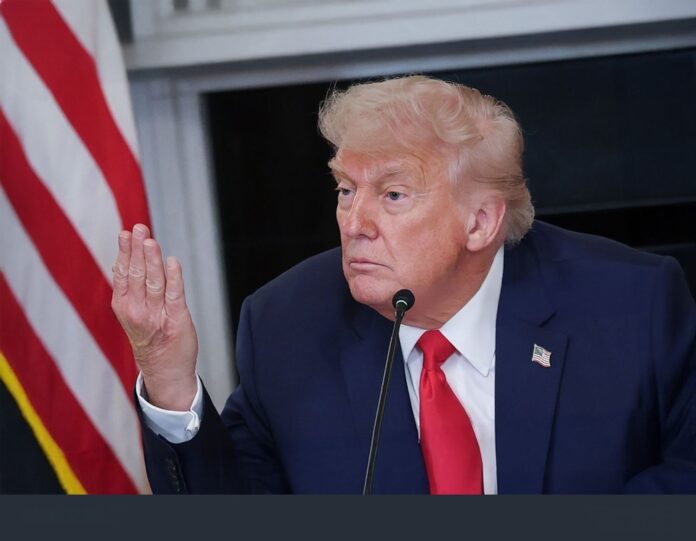
Story Highlights
- U.S. cancels upcoming summit with Moscow
- White House links any future meeting to tangible progress
- Move designed to maintain negotiating leverage, not concede momentum
What happened
The United States has halted plans for an anticipated high-level summit with Russia, following a review that concluded current conditions do not justify convening. The cancellation reflects a deliberate choice to withhold engagement until measurable steps are taken on core security and conflict-related issues. Officials emphasized that the decision is not a withdrawal from diplomacy but a recalibration to ensure talks occur only when there is real potential for movement.
Why it matters
High-level meetings themselves confer value — optics, timing, and sequencing can shift leverage before any words are exchanged across a table. By pausing instead of proceeding on autopilot, Washington preserves the ability to attach terms, extract concessions upstream, and prevent Moscow from using the spectacle of a summit as cost-free political capital. In strategy terms, the United States declined to pay the “price of admission” without receiving something bankable in return.
Political & geopolitical implications
This posture signals that the United States intends to negotiate from strength rather than schedule. It conditions Russia’s expectations and communicates to allies that Washington will not advance process for process’s sake. It also places the burden of initiative on Moscow — if the Kremlin wants the legitimacy and signaling benefits a summit confers, it must first alter the status quo in a demonstrable way. The move re-anchors leverage in timing: no movement, no meeting.
Implications (near term)
Expect intensified attention on interim channels and back-door diplomacy, as Moscow now has incentives to test what minimum adjustments might restart the summit track. Markets and allies will read the cancellation as posture, not rupture — a controlled pressure move. In the meantime, the administration maintains optionality: it can reopen the door instantly if Russia alters behavior, or keep the pause in place to continue shaping costs and expectations.
Sources
Reuters policy desk
White House press pool notes
Financial Times diplomacy desk
ABC News U.S. politics desk