Story Highlights
The Trump administration announced a major rural‑health funding push for 2026.
Every U.S. state will receive at least $147 million to strengthen healthcare access.
The program focuses on hospitals, clinics, and underserved rural communities.
What Happened
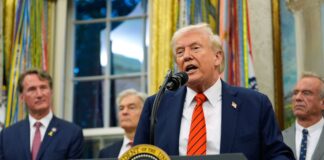
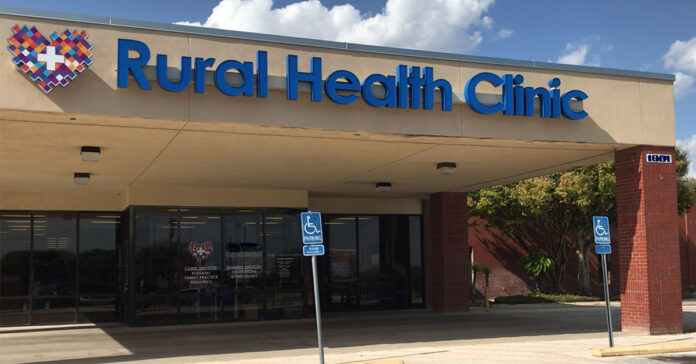
The Trump administration announced that it will allocate a minimum of $147 million to every U.S. state in 2026 to expand healthcare access and improve medical infrastructure in rural communities. The funding package is designed to strengthen hospitals, expand clinic capacity, and improve emergency and specialty care in areas that historically face doctor shortages and long travel distances to treatment facilities.
According to federal health officials, the program will prioritize communities with aging populations, high rates of chronic illness, and limited access to specialist care. Funds can be used to upgrade equipment, recruit healthcare professionals, expand telemedicine programs, and modernize facilities that struggle to meet growing demand.
The announcement follows ongoing concerns about rural hospital closures and workforce shortages that have left millions of Americans with fewer local care options. Administration officials framed the plan as a long‑term investment in health equity and regional resilience.
Why It Matters
Healthcare access in rural America has become a critical national issue. Rural residents often face longer response times for emergency care, fewer specialist options, and higher risks from delayed treatment. Strengthening rural healthcare networks can significantly improve outcomes for heart disease, cancer, maternal care, and chronic illnesses.
From an economic perspective, rural hospitals are often among the largest employers in their communities. Increased funding supports local jobs, stabilizes healthcare workforces, and keeps essential services operating. Stronger rural healthcare also reduces long‑term public‑health costs by enabling earlier diagnosis and treatment.
For families, improved access means fewer long trips for care, lower out‑of‑pocket costs tied to travel, and greater confidence in local medical services.
Political and Geopolitical Implications
Politically, the funding reinforces the administration’s message that rural communities are central to national development priorities. Supporters view the initiative as a tangible commitment to improving quality of life outside major metropolitan centers.
While primarily domestic in scope, improved rural health infrastructure strengthens national resilience — ensuring that large geographic regions are better prepared to respond to public‑health challenges, emergencies, and future pandemics.
Implications
If fully implemented, the program could reverse years of rural healthcare erosion, stabilize hospital networks, and significantly improve health outcomes for millions of Americans by the start of 2026.
Sources
Reuters — “US allots at least $147 million per state for rural health in 2026”