Story Highlights
Donald Trump emphasized expanding U.S. energy production.
Focus on infrastructure and long-term energy independence.
Policy aims to stabilize supply and reduce external reliance.
What Happened
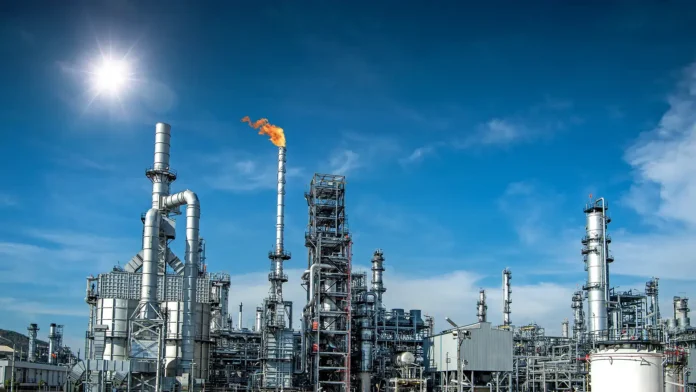
The administration highlighted a renewed focus on expanding domestic energy production, including oil, gas, and infrastructure development. Officials emphasized that increasing output and refining capacity could strengthen national energy security.
The plan includes support for energy projects and regulatory measures designed to streamline development. By encouraging investment in infrastructure, policymakers aim to ensure steady supply across the country.
Energy independence has remained a key theme, with the administration positioning domestic production as a buffer against global volatility.
Why It Matters
Energy is a critical component of economic stability. Reliable and affordable energy supports industries, transportation, and households.
Expanding domestic production can reduce exposure to global supply disruptions and price fluctuations. It also has implications for job creation in the energy sector.
At the same time, energy policy continues to balance economic priorities with environmental considerations.
Political and Geopolitical Implications
Energy strategy is closely tied to international relations. Countries with strong domestic production often have greater flexibility in global negotiations.
The U.S. energy sector also plays a role in global supply chains, influencing prices and trade flows.
Domestically, energy policy remains a key political issue with broad economic implications.
Implications
The focus on energy expansion reinforces the importance of self-sufficiency in a volatile global environment.
Source
“Trump administration advances new domestic energy expansion plan”