Story Highlights
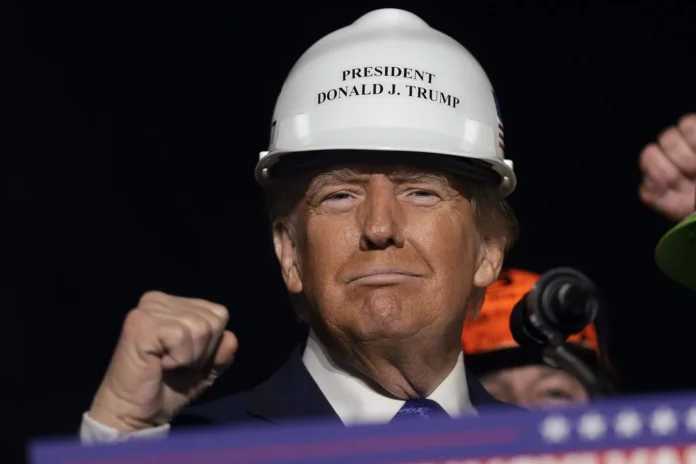
Donald Trump emphasized expanding U.S. manufacturing capacity and job creation.
Policies focus on strengthening domestic production and industrial resilience.
Officials say manufacturing growth supports long-term economic competitiveness.
What Happened
President Donald Trump highlighted a renewed focus on strengthening U.S. manufacturing and expanding job opportunities across industrial sectors. The administration signaled that boosting domestic production remains a central pillar of its economic strategy, with policies aimed at encouraging investment, improving efficiency, and supporting workforce development.
According to reporting from Reuters, officials pointed to ongoing initiatives designed to increase manufacturing output in key industries such as machinery, energy equipment, and advanced technology. These efforts include regulatory adjustments, targeted incentives, and support for innovation, all intended to make domestic production more competitive.
Policymakers also emphasized the role of modern technologies in shaping the future of manufacturing. Investments in automation, robotics, and data-driven production systems are helping companies improve productivity and reduce costs. By integrating these technologies, manufacturers can scale operations more effectively while maintaining high standards of efficiency.
The administration framed manufacturing growth as essential not only for economic expansion but also for strengthening supply chains. By increasing domestic production capabilities, the United States aims to reduce reliance on external sources and enhance resilience in the face of global uncertainties.
Why It Matters
Manufacturing plays a critical role in the U.S. economy, contributing significantly to employment, exports, and overall economic output. A strong manufacturing base supports a wide range of industries, from raw materials and logistics to advanced technology and services.
Expanding domestic manufacturing can lead to job creation across multiple skill levels. Industrial growth often generates employment opportunities in production, engineering, management, and support services. These jobs contribute to economic activity and support regional development, particularly in areas with strong industrial presence.
For businesses, increased manufacturing capacity improves supply chain reliability. Companies can produce goods closer to their primary markets, reducing transportation costs and minimizing delays. This can enhance efficiency and provide a competitive advantage in both domestic and international markets.
Manufacturing is also closely linked to innovation. Many technological advancements originate within industrial environments, where research and development are integrated with production processes. Strengthening manufacturing capabilities can therefore support broader technological progress and economic growth.
Political and Geopolitical Context
Manufacturing policy is closely tied to broader economic and geopolitical strategies. Governments around the world are investing in industrial development to strengthen their economies and improve resilience against global disruptions.
The Trump administration has emphasized domestic production as a key component of economic strength. Supporters argue that a robust manufacturing sector enhances national security, supports job creation, and positions the United States as a leader in global industry.
Globally, competition in manufacturing is intensifying as countries invest in advanced technologies, infrastructure, and workforce development. Maintaining a competitive manufacturing sector is essential for sustaining economic leadership and attracting investment.
Trade dynamics also influence manufacturing policy. Governments must balance domestic production goals with participation in global markets, ensuring that industries remain competitive while benefiting from international trade opportunities.
At the same time, technological advancements are transforming manufacturing processes. Automation, artificial intelligence, and digital systems are reshaping how goods are produced, requiring businesses and policymakers to adapt to new conditions.
Implications
If current initiatives are successful, the United States could see increased manufacturing output, stronger supply chains, and improved economic resilience. Businesses may respond to supportive policies by investing in new facilities, upgrading equipment, and expanding their workforce.
In the long term, strengthening manufacturing capabilities could enhance global competitiveness. By combining advanced technology with efficient production systems, the United States may position itself as a leader in next-generation manufacturing.
However, the effectiveness of these efforts will depend on execution. Policymakers will need to ensure that incentives are well-targeted, regulatory frameworks are efficient, and workforce development programs are aligned with industry needs.
The broader impact extends beyond the industrial sector. Strong manufacturing performance can support economic stability, drive innovation, and contribute to sustained growth across multiple areas of the economy.
Sources
Trump emphasizes manufacturing growth and job creation strategy