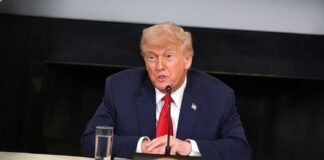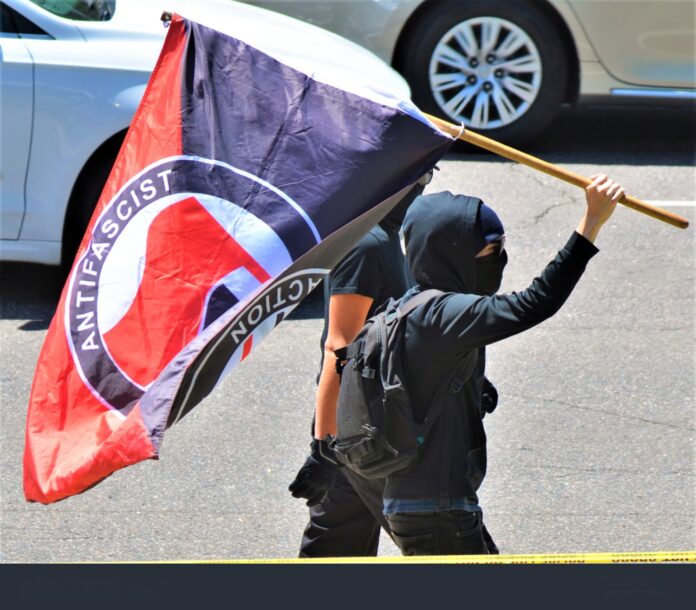
President Donald Trump has signed an order designating Antifa as a domestic terrorist organization, intensifying a political battle that has raged for years. The move, announced on September 20, 2025, is largely symbolic, since federal law provides no formal framework for labeling domestic groups as terrorists. Still, the designation carries weight in the political arena, giving Trump a fresh talking point as he continues to cast left-wing activists as a threat to public safety.
What Happened
The executive order directs federal law enforcement agencies to treat Antifa as a terrorist organization in intelligence sharing and investigations. Trump framed the step as necessary to protect communities from what he described as “radical extremists who destroy property and endanger lives.”
Antifa, short for “anti-fascist,” is not a structured group but rather a loose network of activists often seen at protests and counter-demonstrations. Critics of the movement point to clashes with police and vandalism at rallies. Supporters counter that Antifa primarily organizes against white supremacists and far-right extremists.
Why It Matters
Although the order does not create new legal powers, it underscores Trump’s broader strategy of using law-and-order themes to rally his supporters. By branding Antifa as “terrorists,” the administration seeks to stigmatize left-wing activists and frame unrest as a direct threat to the nation.
Civil liberties experts warn that the designation could blur the line between protest and terrorism, raising questions about free speech and the right to assemble. They argue the move risks criminalizing dissent and could set a precedent for future administrations to target ideological opponents.
Reactions
Trump supporters quickly praised the order. Republican lawmakers and conservative commentators described it as a long-overdue step to rein in a movement they say has caused chaos in American cities.
Democrats and rights groups condemned the announcement. The ACLU said there is “no legal mechanism” for labeling domestic groups as terrorist organizations and accused Trump of abusing his authority to score political points. Some legal scholars predicted the order would face immediate challenges in court.
On social media, the announcement sparked heated debate. Hashtags like #AntifaBan and #FreeSpeech trended simultaneously, reflecting the polarized reactions across the political spectrum.
What’s Next
Legal Challenges: Civil liberties groups are expected to sue, arguing the designation violates constitutional protections.
Law Enforcement Actions: Federal agencies may increase surveillance of suspected Antifa activists, though with limited new powers.
Political Fallout: The move could become a rallying cry in Trump’s campaign speeches and debates, energizing both supporters and critics.
Precedent Setting: Future administrations may use this playbook to target other movements, potentially escalating partisan battles over free expression.
The outcome of legal challenges will determine whether the order reshapes federal authority—or remains mostly symbolic.
Sources
- Reuters
- AP News
- NBC News