Story Highlights
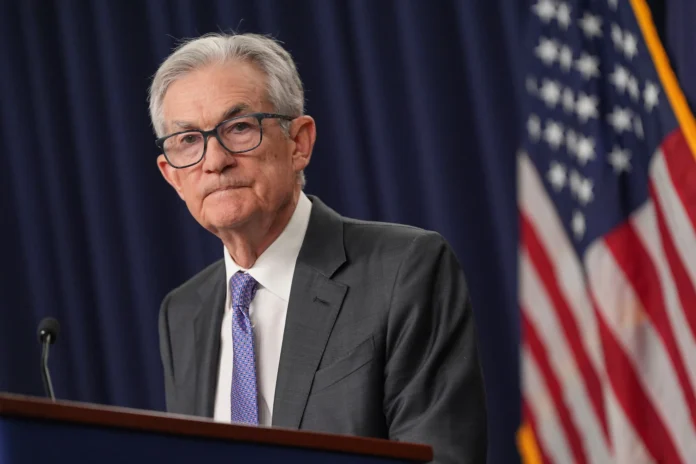
• Federal Reserve Chair Jerome Powell says the DOJ subpoenaed the central bank and threatened criminal indictment.
• The move reflects a sharp escalation in the ongoing conflict between the White House and the Fed over interest‑rate policy.
• Markets and lawmakers are reacting to concerns about the independence of the U.S. central bank.
What Happened
In an unprecedented escalation of tensions between the White House and the U.S. central bank, Federal Reserve Chair Jerome Powell revealed that the Department of Justice has served subpoenas to the Federal Reserve and threatened a criminal indictment against him. The subpoenas relate to Powell’s testimony before Congress last year about a $2.5 billion renovation of Federal Reserve office buildings — a matter that President Trump has criticized sharply. Powell publicly described the threat of criminal charges as a “pretext” aimed at undermining the Federal Reserve’s independence on monetary policy, particularly its authority over interest‑rate decisions.
This confrontation comes amid long‑running disputes between Powell and the Trump administration, which has repeatedly called for more aggressive cuts to interest rates. Although Trump denied direct involvement in the Justice Department’s actions, the escalation has fueled debate over political interference in federal institutions. Lawmakers from both parties have weighed in, stressing that the Federal Reserve’s independence is a cornerstone of U.S. economic policy.
Why It Matters
The independence of the Federal Reserve — its ability to set monetary policy based on economic conditions rather than political pressure — is widely regarded as essential for maintaining stable inflation, robust employment, and market confidence. Powell’s disclosure that the DOJ is threatening criminal charges against him over his testimony marks one of the most dramatic conflicts in recent memory between the executive branch and the U.S. central bank. This episode has already impacted financial markets, with stock futures retreating and safe‑haven assets gaining as investors weigh the implications of heightened political pressure on monetary policy.
The situation also matters because it elevates tensions at a time when investors and businesses are sensitive to shifts in interest‑rate policy and economic forecasts. If the Fed’s autonomy is seen as compromised, it could undermine confidence in U.S. economic leadership, influence long‑term borrowing costs, and shape global perceptions of American financial governance.
Political and Geopolitical Implications
Domestically, this confrontation underscores deepening political divides over economic strategy, particularly how monetary policy should respond to inflation, employment trends, and broader macroeconomic risks. Republican and Democratic lawmakers alike have expressed concern about the Justice Department’s involvement in an investigation that touches on central bank independence. Some legislators have threatened to block future Fed nominations until the matter is resolved, reflecting broader anxieties about political overreach.
Internationally, questions about the Fed’s independence can influence global financial markets, currency values, and investor confidence. Central banks and financial authorities around the world observe U.S. monetary policy closely, and perceived political interventions can ripple through emerging markets, bond markets, and foreign exchange markets, affecting trade balances and capital flows.
Implications
The DOJ subpoena and criminal‑indictment threat against Powell represents a rare escalation that could reshape how future administrations interact with the Federal Reserve. If political pressure on the Fed intensifies, it could have long‑term consequences for U.S. monetary policy, financial market stability, and institutional trust. The path forward — whether through congressional oversight, legal challenges, or market responses — will be closely watched by economists, investors, and policymakers alike.
Source:
• Federal Reserve Chair Powell says DOJ has subpoenaed central bank, threatens criminal indictment — Reuters