Story Highlights
• U.S. Treasury Secretary Scott Bessent warned Canada against inflammatory rhetoric ahead of USMCA talks.
• The message underscores Washington’s firm negotiating posture on North American trade.
• Officials say the U.S. aims to protect domestic industries and supply chains.
What Happened
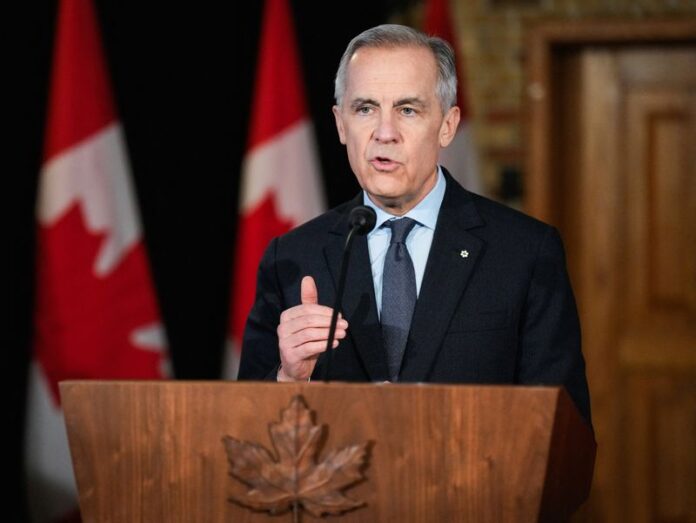
U.S. Treasury Secretary Scott Bessent issued a pointed warning to Canada ahead of upcoming talks on the United States–Mexico–Canada Agreement (USMCA), urging Ottawa to avoid rhetoric that could complicate negotiations, according to Reuters. The comments were directed at Canadian leaders as both sides prepare for discussions on trade rules, market access, and enforcement provisions.
Bessent emphasized that the United States expects negotiations to remain focused on economic fundamentals rather than political posturing. He signaled that Washington is prepared to take a firm stance to ensure that the agreement continues to benefit U.S. workers, manufacturers, and strategic industries.
The remarks come amid renewed attention on North American trade as supply‑chain security, industrial policy, and competition with China shape U.S. economic priorities.
Why It Matters
Canada is one of the United States’ largest trading partners, with deeply integrated supply chains spanning autos, agriculture, energy, and manufacturing. Any friction ahead of USMCA talks introduces uncertainty for businesses that rely on predictable cross‑border trade.
The warning highlights the administration’s emphasis on enforcing existing trade rules rather than reopening agreements in ways that could disadvantage U.S. producers. For American companies, a tougher negotiating posture is seen as a way to protect market access and prevent practices viewed as unfair or disruptive.
Markets and industries closely watch signals from U.S. officials, as trade tensions can quickly affect investment decisions, currency movements, and supply‑chain planning.
Political and Geopolitical Implications
Politically, the message reinforces a broader approach of assertive economic diplomacy. Supporters argue that clear red lines strengthen U.S. leverage and discourage partners from testing the limits of trade agreements.
Geopolitically, North American unity remains important as the U.S. seeks to reduce dependence on overseas supply chains and counter China’s influence in global trade. Maintaining a strong but stable relationship with Canada is seen as essential to those goals, even as negotiations become more pointed.
How Ottawa responds may shape the tone and trajectory of the upcoming talks.
Implications
If discussions proceed constructively, the warning could help keep negotiations focused and prevent escalation. However, prolonged tensions risk unsettling industries that depend on seamless U.S.–Canada trade.
The outcome of the talks will signal whether North America can maintain economic cooperation while navigating tougher enforcement and strategic competition pressures. Businesses on both sides of the border will be watching closely for clarity and stability.
Source
U.S. Treasury’s Bessent warns Canada ahead of USMCA talks — Reuters