What Happened
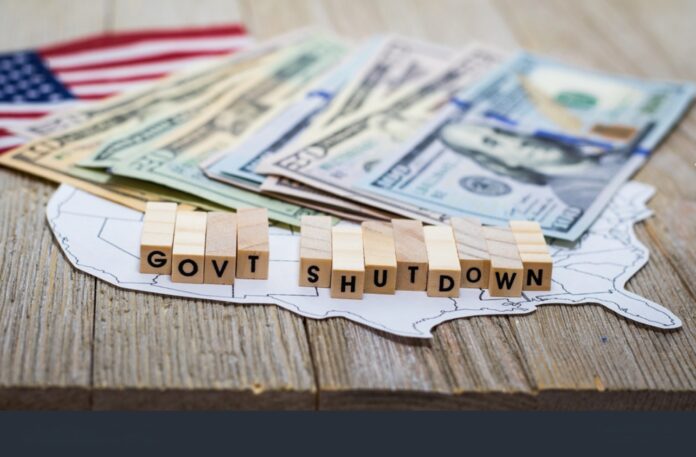
Two weeks into the government shutdown, the U.S. Treasury released sobering figures: the standoff is now costing the American economy an estimated $15 billion each week. Federal paychecks are frozen, national parks shuttered, research labs silent, and tens of thousands of contractors idled.
Bloomberg Economics reports that the drag on productivity is accelerating as furloughed workers curb spending and supply chains stall. The Congressional Budget Office warns that GDP growth could plunge below 1% if funding isn’t restored before November.
With neither party willing to yield, analysts fear this may become the costliest shutdown in U.S. history, dwarfing the 2019 impasse that cost $11 billion total.
Why It Matters
The shutdown’s impact ripples far beyond Washington. In small towns dependent on federal payrolls—think Huntsville, AL, and Norfolk, VA—families are depleting savings just to meet rent. Airport security lines stretch for hours as TSA officers call in sick. Scientific research grants are expiring, threatening to derail long-term innovation projects.
For every week of paralysis, roughly 0.1 percentage point of GDP evaporates, according to Moody’s Analytics. At $15 billion weekly, that’s more than the annual education budgets of 20 U.S. states combined.
Investors are growing uneasy. The S&P 500 wobbled as consumer-confidence indexes dipped to post-pandemic lows. Economists warn that prolonged stagnation could trigger a soft-recession scenario by early 2026 if household consumption contracts further.
Reactions
From the White House:
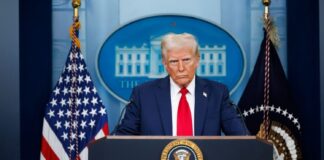
Press Secretary Sarah Matthews blamed Congress for “choosing politics over paychecks,” insisting the administration’s budget proposal would balance spending without raising taxes. Still, no new negotiations have been scheduled.
From Congress:
Democratic leaders accuse the administration of “manufacturing crisis theater.” Speaker Mike Johnson countered that Democrats “refuse to trim even wasteful line items.” Centrist senators are quietly circulating a temporary funding bill to buy six weeks of breathing room.
From Wall Street:
Major banks have revised Q4 forecasts downward. JPMorgan Chase now projects only 0.8% growth, while Goldman Sachs warns that a four-week extension could erase $60 billion in output. The U.S. Chamber of Commerce urged lawmakers to “end self-inflicted wounds before holiday spending collapses.”
From the Public:
Nationwide polls show frustration mounting across party lines. Small-business owners say delayed SBA loans and federal contracts are forcing layoffs. On social media, #EndTheShutdown trended with over 3 million posts in 24 hours.
What’s Next
Treasury officials have begun modeling “worst-case scenarios” if the stalemate continues past Halloween. A partial debt-service delay in November could trigger automatic credit-rating downgrades, making borrowing costlier for years.
To cushion the blow, some governors are using state funds to keep essential services afloat, but those buffers will vanish quickly. Economists expect ripple effects in consumer credit, mortgage approvals, and local construction permits by month-end.
If Congress fails to pass a continuing resolution soon, analysts predict the U.S. may enter 2026 with a weakened fiscal base—undermining global investor confidence in the world’s largest economy.
Bottom line: every extra day of inaction carries a billion-dollar price tag. Until lawmakers compromise, America’s economy will keep bleeding cash, credibility, and consumer trust.
Sources
Bloomberg Economics | Treasury Department | Moody’s Analytics | CNBC | Associated Press