

Story Highlights
Texas voters head to the polls as the 2026 midterms officially begin.
Competitive primaries could shape control of Congress.
Early turnout offers clues about national political momentum.
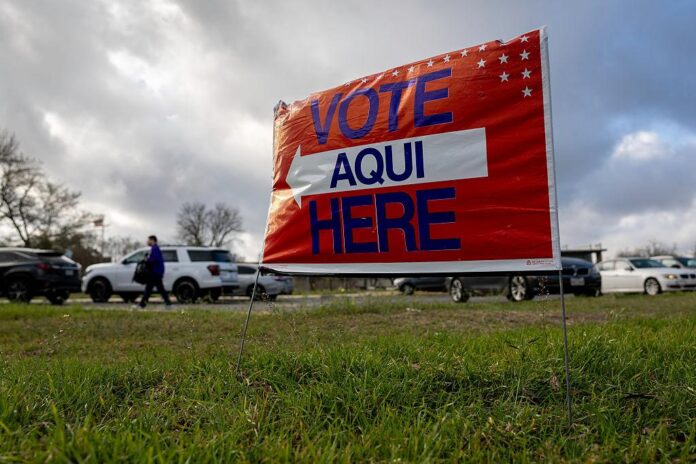
Voters in Texas went to the polls as the 2026 midterm elections formally got underway, with closely watched Senate and House primaries setting the tone for the broader national cycle. According to reporting from Reuters, contests in Texas — alongside races in North Carolina and Arkansas — are being viewed as early indicators of party enthusiasm and voter alignment. Analysts say turnout levels and margin dynamics in these primaries may foreshadow how competitive districts perform later in November.
The Texas Senate race, in particular, has drawn national attention given its potential to influence the balance of power in Washington. Both major parties are investing heavily in ground operations, digital outreach, and fundraising efforts. Early voting participation has been closely monitored, with strategists assessing demographic trends and suburban performance. While primary elections often reflect internal party priorities more than general election dynamics, they provide insight into grassroots energy and message resonance.
Why this matters nationally is straightforward: control of Congress can hinge on a handful of competitive states. Texas has long been a political focal point due to its size, economic influence, and evolving demographic landscape. A strong showing by candidates aligned with national leadership priorities could reinforce party cohesion heading into the general election season. Conversely, unexpected results might prompt strategic recalibrations at the national committee level.
Beyond electoral strategy, midterm cycles often shape legislative momentum. Budget negotiations, regulatory frameworks, and foreign policy initiatives can all be influenced by shifting congressional composition. Observers note that early primaries serve as a testing ground for campaign messaging on issues such as economic growth, border policy, energy production, and national security. Voter response in these contests may inform broader campaign narratives across battleground states.
From a governance perspective, orderly primary administration and turnout levels reflect institutional confidence in electoral processes. Local election officials reported standard operations at polling locations, while advocacy groups encouraged civic participation. As ballots are counted, attention will turn to how candidates consolidate support and pivot toward general election positioning.
Implications
The results emerging from Texas and other early‑voting states may shape national fundraising, advertising strategy, and party resource allocation. Strong turnout could signal heightened engagement ahead of November, while close margins may indicate competitive general election landscapes. The trajectory of the 2026 midterms will increasingly come into focus as additional states enter the primary calendar.


