

Story Highlights
-
The U.S. Supreme Court declined to hear a case on AI‑generated works and copyright eligibility.
-
The decision leaves lower‑court rulings intact for now.
-
Legal uncertainty around AI authorship continues to evolve.
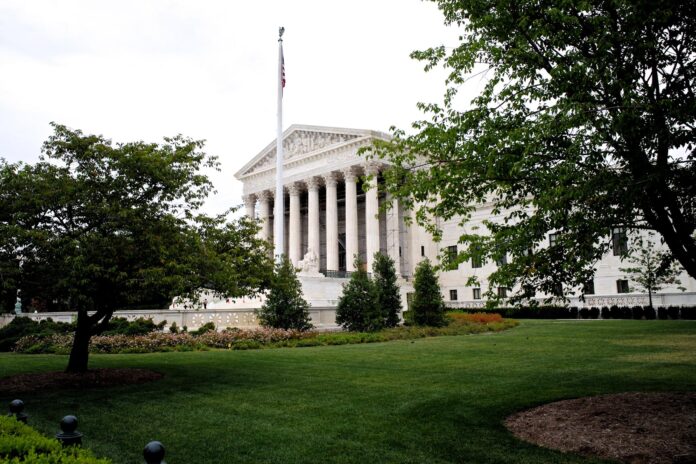
The Supreme Court of the United States has declined to hear a case addressing whether works created by artificial intelligence systems can qualify for copyright protection under existing U.S. law. By refusing to grant certiorari, the Court leaves in place lower‑court rulings that have generally held that copyright protection requires human authorship. The decision does not create new precedent, but it preserves the current legal framework while the debate over AI‑generated content continues to unfold.
According to reporting from Reuters, the dispute centered on whether creative outputs produced autonomously by AI systems meet the statutory definition of authorship under U.S. copyright law. Lower courts have emphasized that existing legislation presumes human creative input as a prerequisite for protection. The Supreme Court’s refusal to intervene means those interpretations remain operative, at least for now, as policymakers and courts continue grappling with rapidly advancing technology.
Why this matters extends far beyond a single lawsuit. Artificial intelligence tools are increasingly capable of generating text, images, music, and code with minimal human direction. Content creators, technology firms, and intellectual property experts have been watching closely for judicial clarity. Without new guidance from the nation’s highest court, stakeholders must navigate a patchwork of lower‑court rulings and administrative guidance. This legal ambiguity affects business models, licensing strategies, and innovation incentives across creative industries.
From a policy perspective, the decision underscores the widening gap between statutory language written decades ago and contemporary technological capabilities. Congress retains the authority to amend copyright law to explicitly address AI‑generated works. Until such legislative action occurs, courts will likely continue applying existing human‑authorship standards on a case‑by‑case basis. Lawmakers on Capitol Hill have already held hearings examining how intellectual property law should adapt to generative AI systems.
Geopolitically, intellectual property frameworks influence global competitiveness. Countries that establish clear and balanced AI copyright standards may attract investment and research activity. The United States has historically maintained strong IP protections, but evolving technology presents novel challenges. For now, the Court’s decision signals judicial restraint — allowing lower courts and lawmakers to shape the trajectory of AI governance.
Implications
By declining the case, the Supreme Court maintains the status quo while leaving room for future legal challenges or congressional reform. Businesses and creators using AI tools will likely proceed cautiously, ensuring meaningful human input in works intended for copyright protection. The broader policy debate over how to define authorship in the age of artificial intelligence remains active and unresolved.
