

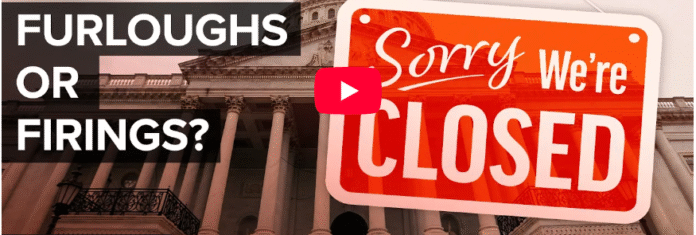
What Happened
The U.S. government shutdown has now stretched into its third day, leaving hundreds of thousands of federal workers without pay and stalling key services. Agencies like the IRS, National Park Service, and Housing programs have reduced operations, while food aid programs and passport services face disruptions.
The political standoff shows no sign of easing, as Trump’s administration and congressional Democrats remain locked in conflict over budget priorities.
Why It Matters
The shutdown’s impact extends beyond Washington politics. Economists warn that prolonged closures could slow GDP growth, unsettle financial markets, and harm public trust in institutions. For everyday Americans, it means delayed tax refunds, closed parks, and uncertainty for millions dependent on federal programs.
Each additional day increases both economic costs and political risks, with blame likely to shape the next election cycle.
Reactions
-
Federal worker unions condemned leaders for using employees as pawns, demanding back pay guarantees.
-
Small business groups expressed concern about halted federal loans and contracts.
-
Market analysts said the shutdown adds volatility to an already fragile economy.
-
Public opinion polls show Americans largely frustrated with Washington gridlock.
What’s Next
If the shutdown continues, impacts will widen: food stamp programs could be disrupted, court systems slowed, and transportation security strained.
Analysts say the political calculus depends on who voters blame more—the White House or congressional Democrats. For now, the only certainty is growing public frustration as both sides dig in.
Sources
- Financial Times
- NBC News
- Politico
- Reuters
