News Flash/Context
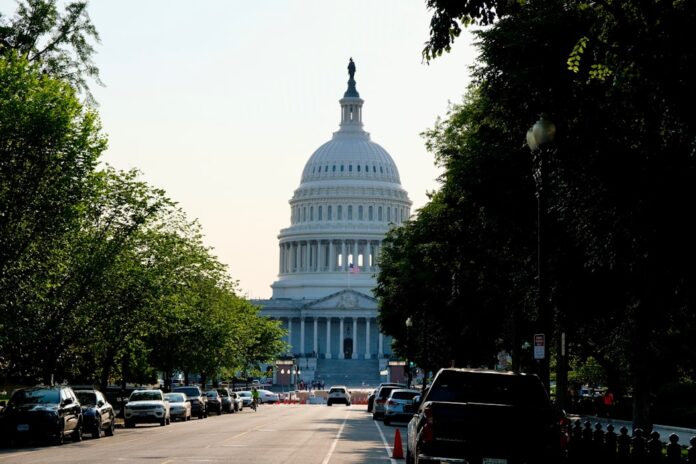
The United States Senate has commenced a contentious debate over proposed legislation aimed at stiffening voting rules, a move that has sparked fierce partisan divisions. The proposed measures, which proponents argue are necessary to ensure election integrity, are seen by opponents as a veiled attempt to suppress voter turnout, particularly among minority communities. This debate emerges against a backdrop of heightened political tensions and follows a series of state-level enactments seeking to alter voting procedures.
Deep Political Analysis
The legislative push in the Senate to reform voting rules has seen a sharp divide along party lines. Supporters of the bill, predominantly Republican lawmakers, assert that the reforms are designed to safeguard against voter fraud and restore public confidence in the electoral process. They cite past claims of irregularities as justifications for stringent measures, despite numerous investigations and court rulings debunking widespread fraud claims in previous elections.
Conversely, Democrats have denounced the proposed legislation as a strategic maneuver to disenfranchise voters. They argue that the restrictive measures would disproportionately impact urban and minority voters, who traditionally support Democratic candidates. The debate has reignited the national discourse on voting rights, with echoes of historical struggles for suffrage and equity in the electoral process.
Strategic Implications
The implications of the Senate’s debate on voting rules are far-reaching, affecting both the political landscape and electoral dynamics in the United States. Key considerations include:
- Electoral Outcomes: Potential shifts in voter turnout could alter the balance of power in future elections.
- Legal Challenges: Anticipated legal battles could arise, challenging the constitutionality of the proposed measures.
- Public Trust: The ongoing debate may further polarize public opinion and erode trust in democratic institutions.
- State vs. Federal Authority: The legislation could set precedents for the balance of power between state and federal regulation of elections.
- International Observations: Global perceptions of US democracy may be influenced by the outcome and nature of these legislative efforts.
Implementation Details
If enacted, the proposed voting rules would introduce several changes, including stricter voter ID requirements, reduced availability of mail-in voting, and limitations on early voting periods. Proponents argue that these measures are straightforward and necessary to prevent voter fraud. However, opponents highlight potential obstacles, such as difficulties in obtaining acceptable identification and reduced access to voting facilities, particularly in rural and underserved areas.
The legislation also seeks to enhance the transparency of election monitoring and increase penalties for election-related offenses. Implementation would require significant coordination with state election officials, who would bear the responsibility of enforcing these new standards.
Future Trajectory
The future of the proposed voting legislation remains uncertain. As the Senate debate unfolds, the potential for a filibuster looms large, with Democrats signaling their intent to block the bill. The outcome of this legislative battle could have profound implications for upcoming elections, notably the 2028 presidential race.
Moreover, should the bill pass the Senate, it faces an uncertain fate in the House of Representatives, where the Democrat majority has vowed to oppose any measures perceived as restrictive to voting rights. The interplay between these legislative bodies will be crucial in determining the final outcome.
Market/Public Reaction
The debate over voting rules has elicited a varied response from the public and market observers. Civil rights organizations have mobilized to oppose the legislation, launching awareness campaigns and organizing rallies to advocate for voting rights protections. Public opinion polls reveal a nation divided, with sentiments closely mirroring partisan affiliations.
In the financial markets, the political uncertainty has introduced a degree of volatility, with investors closely monitoring developments for potential impacts on policy and governance. Businesses are also expressing concern over the potential economic ramifications of a protracted political standoff.
Sources
Original Source: New York Times
Washington Post Analysis
CNN Political Coverage
Reuters Report
BBC News Contextual Overview