News Flash/Context
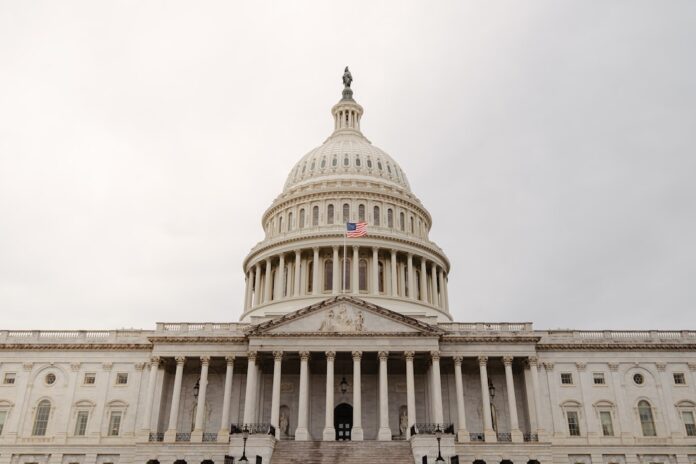
The United States Senate has plunged into a contentious debate over proposed changes to voting regulations, a move that has sharply divided legislators along partisan lines. This development represents a significant moment in American politics, as lawmakers wrangle over the future of electoral processes amid a backdrop of heightened political polarization. The session, marked by fiery rhetoric and impassioned speeches, underlines the deep divisions within the legislative body over how to safeguard—or restrict—voting rights as the nation approaches a pivotal election cycle.
Deep Political Analysis
The debate centers around a bill that seeks to impose more stringent voting requirements, including enhanced voter ID laws and the reduction of mail-in voting options. Proponents argue that these measures are necessary to ensure election integrity and prevent voter fraud, a concern that has been amplified in recent years. However, critics contend that the changes are a thinly veiled attempt to suppress the votes of minority and disadvantaged groups, who historically face greater obstacles in meeting such requirements.
This legislative confrontation reflects a broader national struggle over voting rights, a topic that has become increasingly contentious in the wake of the 2020 presidential election. The proposed legislation has ignited fierce debates within the Senate, with Democratic lawmakers decrying the measures as regressive and Republicans asserting their necessity for maintaining electoral integrity.
Strategic Implications
The outcome of this debate carries significant ramifications for the political landscape in the United States. Several strategic implications emerge from the current legislative standoff:
- Electoral Impact: The passage of this bill could reshape voter turnout in key battleground states, potentially influencing the outcome of future elections.
- Party Dynamics: The debate may further polarize the two major political parties, impacting legislative cooperation on other pressing issues.
- Judicial Challenges: If enacted, the new voting rules are likely to face legal challenges, potentially leading to prolonged court battles.
- Public Perception: The legislation could influence public trust in the electoral process, either bolstering confidence among those concerned about fraud or eroding it among those worried about disenfranchisement.
Implementation Details
Should the bill pass, its implementation would involve significant logistical changes to the current voting infrastructure. State governments would be tasked with enforcing the new requirements, necessitating updates to voting systems and procedures. This includes the distribution of new voter ID cards and the potential overhaul of mail-in voting systems.
Moreover, election officials would need to invest in public education campaigns to inform voters of the new requirements, a process that could prove costly and time-consuming. The intricacies of implementing these changes will likely vary by state, with some regions facing greater challenges than others in adapting to the new rules.
Future Trajectory
The trajectory of this debate is uncertain, with both sides preparing for a protracted legislative and legal battle. If the bill fails to pass, it could embolden voting rights advocates to push for more expansive reforms. Conversely, if enacted, it may set a precedent for similar legislation in other states, further influencing national discourse on voting rights.
In the immediate future, the Senate’s decision on this bill will likely serve as a bellwether for the broader political climate in the United States, signaling the direction in which voting rights and electoral reforms are headed.
Market/Public Reaction
The public reaction to the proposed voting rules has been mixed, with advocacy groups and ordinary citizens voicing both support and opposition. Civil rights organizations have rallied against the legislation, organizing protests and campaigns to raise awareness of its potential impact. Meanwhile, some segments of the public express support, viewing the measures as necessary safeguards against voter fraud.
Market analysts note that political uncertainty surrounding voting regulations could affect investor confidence, particularly in sectors reliant on government contracts and regulatory stability. As the debate unfolds, its impact on public sentiment and economic indicators will be closely monitored.