Story Highlights:
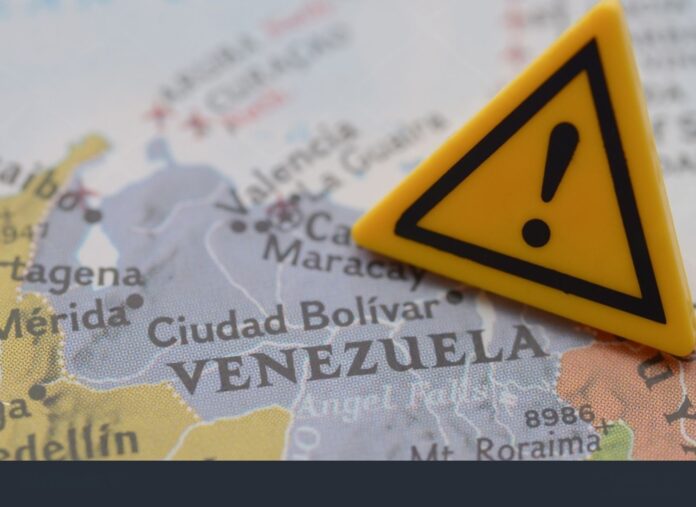
- The U.S. Senate narrowly rejected a resolution that would have limited President Trump’s ability to launch military action against Venezuela without congressional approval.
- Two Republican senators joined Democrats, but the measure failed 49–51, leaving Trump’s war powers intact amid rising military activity in the Caribbean.
- The White House escalates drone and naval strikes on alleged drug traffickers; critics warn these actions risk expanding into broader conflict with Venezuela’s government.
The Story:
On Thursday, Senate Republicans blocked a war powers resolution seeking to prevent President Trump from launching attacks or military operations within Venezuela unless Congress gave explicit authorization. The resolution’s defeat—by just two votes—came after mounting unease over recent U.S. strikes against ships in the region, which have reportedly killed dozens of civilians and alleged drug smugglers.
Democratic Senator Tim Kaine led the push, arguing that war powers should rest with Congress and warning against escalation in Latin America. The White House maintains its operations are limited to drug interdiction and do not require further war authorization. But thousands of U.S. troops, warships, and advanced aircraft are now staged off Venezuela’s coast, with critics fearing Trump could order direct action against President Maduro if diplomatic efforts fail.
Why It Matters:
The Senate’s rejection keeps Trump’s military options open and highlights deep divisions over who decides U.S. war policy. International and human rights groups warn that further escalation could spark a dangerous conflict in South America and cause untold civilian harm.
Takeaway:
Congress failed to restrain Trump’s war powers, leaving the door open to potential U.S. military action in Venezuela as regional tensions mount.
Sources Used: