

Story Highlights
-
SEC to provide investigation targets earlier notice before enforcement actions.
-
Policy change aims to enhance procedural transparency and fairness.
-
Markets view shift as structural, not disruptive.
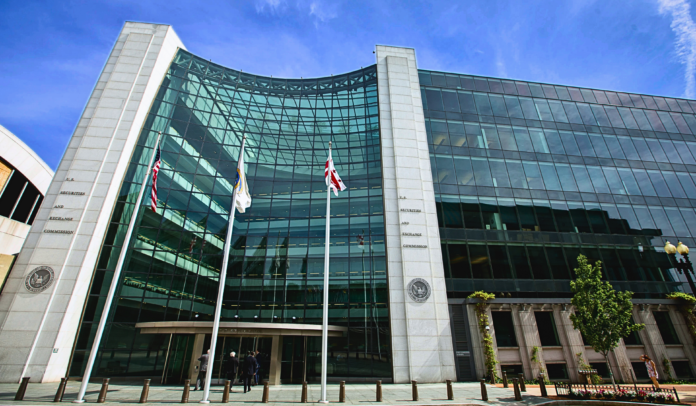
The U.S. Securities and Exchange Commission announced changes to its enforcement procedures that will give investigation targets more advance notice before formal action is taken. According to reporting from Reuters, the updated framework is designed to provide additional time for individuals and companies to respond to allegations before the agency moves forward with charges.
The change modifies internal enforcement timelines, expanding the window between initial investigative findings and formal action. Traditionally, the SEC has used “Wells notices” to inform potential defendants of pending enforcement recommendations. Under the revised approach, notice periods will be more clearly structured, giving recipients expanded opportunity to submit written responses and supporting documentation.
Regulators emphasized that the policy is not intended to weaken enforcement, but rather to strengthen procedural clarity and consistency. Transparency in enforcement proceedings is often viewed as critical to maintaining market confidence. By formalizing extended notice provisions, the SEC aims to reinforce due process standards while preserving its ability to pursue misconduct.
Financial markets reacted with relative calm, as the change does not alter substantive securities law or enforcement authority. Instead, it adjusts procedural sequencing. Analysts noted that clearer timelines can reduce uncertainty for firms facing investigation, particularly in complex financial or accounting matters.
The move comes amid ongoing debate over regulatory balance — ensuring robust oversight without creating unnecessary ambiguity for market participants. Enforcement actions can significantly affect company valuations, investor sentiment, and corporate governance structures. Providing earlier notice may allow firms to prepare responses more thoroughly, potentially resolving certain matters before formal charges are filed.
Corporate legal teams are expected to review the new framework closely. In high‑stakes investigations, even incremental adjustments to notice periods can influence litigation strategy, settlement discussions, and public disclosure obligations. Public companies, in particular, must weigh regulatory developments against reporting requirements and shareholder communications.
From a governance standpoint, the policy reinforces the principle that enforcement should be both firm and fair. Regulators globally have faced increasing scrutiny over transparency and accountability in financial oversight. Structured notice processes can strengthen perceptions of institutional integrity, particularly in high‑profile cases.
The SEC’s enforcement division remains active across a range of areas, including insider trading, accounting irregularities, market manipulation, and emerging digital asset oversight. The procedural adjustment does not narrow investigative scope; rather, it refines how cases advance toward formal proceedings.
Historically, shifts in enforcement process can influence corporate compliance culture. When regulatory expectations are clear and predictable, firms may be better positioned to implement internal controls proactively. Clear communication channels between regulators and entities under review can also streamline resolution timelines.
Investors often monitor enforcement trends as indicators of regulatory posture. A transparent process can reduce volatility tied to sudden or unexpected announcements. While enforcement outcomes will still hinge on case‑specific evidence, procedural predictability can enhance overall market stability.
Internationally, U.S. regulatory standards frequently serve as reference points for other jurisdictions. Adjustments to SEC procedures may inform broader discussions about best practices in financial oversight and due process safeguards.
Why It Matters
Enforcement procedures shape how financial regulation operates in practice. Expanded notice periods provide investigation targets greater opportunity to respond before formal action, reinforcing procedural safeguards.
For markets, clarity in enforcement sequencing can reduce uncertainty and support investor confidence without diminishing oversight strength.
Political & Geopolitical Implications
Domestically, regulatory process reforms often intersect with broader debates over market oversight and institutional accountability. Lawmakers may view the change as a step toward balancing enforcement rigor with fairness.
Globally, transparent enforcement standards reinforce the credibility of U.S. financial markets. Institutional trust remains central to attracting domestic and international investment.
Implications
The SEC’s updated notice framework reflects procedural refinement rather than regulatory retreat. By enhancing clarity and response timelines, the agency aims to strengthen both fairness and enforcement credibility. Over time, the change may contribute to more predictable regulatory engagement between authorities and market participants.
Sources
SEC will give investigation targets more notice under enforcement changes
