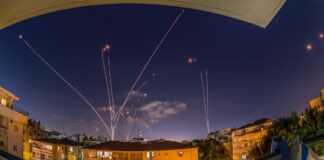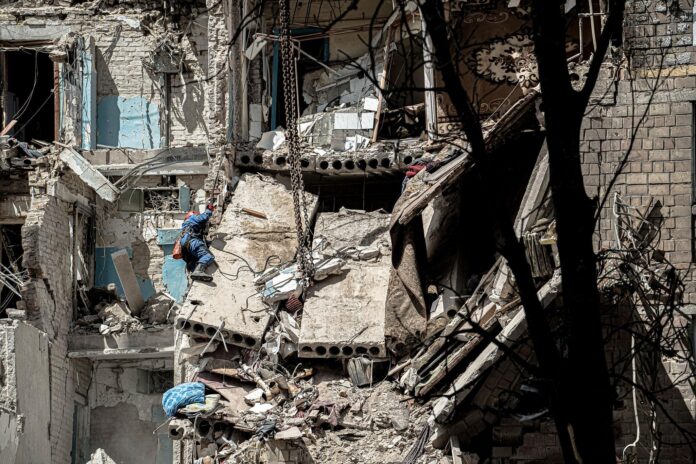
Russia launched another wave of drone strikes across several Ukrainian cities overnight, targeting energy infrastructure and urban areas in what officials say is part of Moscow’s continued effort to weaken Ukraine’s defense capabilities and civilian resilience. Ukrainian authorities reported multiple explosions after air defense systems were activated to intercept incoming drones.
Emergency crews responded to damaged residential buildings and infrastructure in several regions, while air raid sirens sounded across major cities as Ukrainian forces worked to intercept the incoming attack. Officials said many drones were destroyed before reaching their targets, though some strikes caused localized damage.
Situation Overview
Ukrainian defense officials reported that dozens of drones were launched during the overnight assault, many believed to be Iranian-designed Shahed drones that Russia has used extensively throughout the war.
Air defense units were deployed in multiple regions as the drones approached Ukrainian airspace. Authorities said several drones were intercepted, but debris from intercepted drones caused damage to buildings and vehicles in some areas.
Energy facilities and industrial sites remain frequent targets as Russia continues to pressure Ukraine’s infrastructure.
Strategic Context
The drone campaign has become a central part of Russia’s military strategy in the conflict. By launching waves of relatively inexpensive drones, Moscow can attempt to overwhelm Ukrainian air defense systems while forcing Ukraine to expend costly interceptor missiles.
Military analysts say this strategy aims to weaken Ukraine’s defensive resources over time while maintaining constant pressure on key infrastructure.
Ukraine has responded by strengthening its air defense networks with support from Western allies, including advanced missile defense systems and radar technology.
Impact on Civilian Infrastructure
Russian drone attacks have repeatedly targeted energy and urban infrastructure across Ukraine.
Key concerns following the latest strikes include:
Damage to electricity grids and power stations
Disruption of transportation networks
Civilian casualties and residential destruction
Increased strain on emergency services and repair crews
Ukrainian officials say rapid repair efforts are underway whenever infrastructure is damaged, though repeated attacks continue to place pressure on national resources.
Global Security Implications
The war between Russia and Ukraine remains one of the most significant geopolitical conflicts affecting global security and energy markets.
Western governments continue to monitor the situation closely while maintaining military and economic support for Ukraine. Meanwhile, Russia has intensified long-range strike campaigns as part of its broader war strategy.
Energy markets and international policymakers remain sensitive to developments in the conflict, as escalations can influence global supply chains and regional security dynamics.
What Analysts Are Watching
Security analysts say several developments could influence the next phase of the conflict:
The scale of future drone and missile attacks
Ukraine’s ability to maintain strong air defense coverage
Continued Western military support for Ukrainian forces
Potential diplomatic efforts aimed at reducing hostilities
Despite periodic escalation cycles, the conflict shows little sign of immediate resolution.
Bottom Line
Russia’s continued use of large-scale drone attacks highlights the evolving nature of modern warfare, where relatively inexpensive unmanned systems can play a major role in prolonged conflicts. As Ukraine strengthens its defensive capabilities and Western support continues, the war remains a central geopolitical challenge shaping global security discussions.