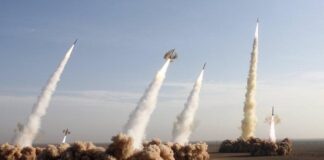
Shipping security in the Red Sea has entered a new phase of tension after Iran-aligned Houthi militants in Yemen launched additional missile and drone attacks targeting commercial vessels moving through one of the world’s most important maritime corridors. The attacks triggered rapid defensive responses from U.S. and allied naval forces operating in the region, highlighting how the conflict surrounding the Israel-Iran regional rivalry continues to spread across key global trade routes.
Military officials say the latest incidents occurred near the Bab el-Mandeb Strait — the narrow passage connecting the Red Sea to the Gulf of Aden — where a significant portion of global oil and cargo shipments transit every day. Several vessels were forced to alter their routes while U.S. naval assets intercepted incoming projectiles aimed at merchant ships.
Situation Overview
The escalation comes amid broader regional tensions tied to the ongoing confrontation between Israel and Iranian-backed groups across the Middle East. Security officials believe the Houthi attacks are part of a wider strategy to pressure Western allies and disrupt international trade routes.
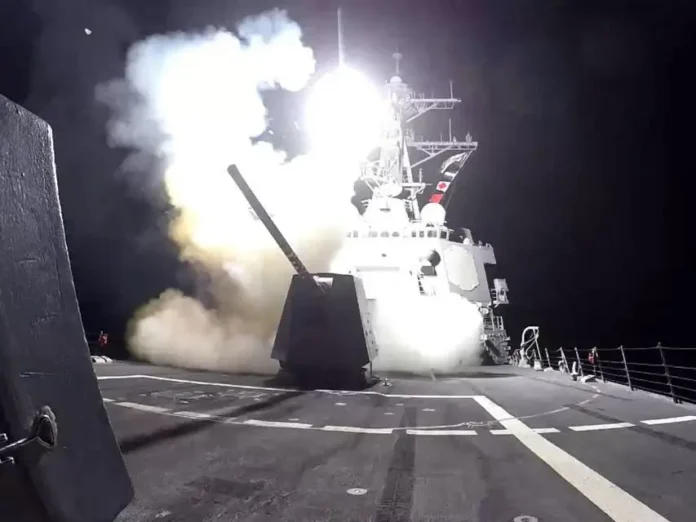
According to defense officials, U.S. naval destroyers stationed in the Red Sea successfully intercepted multiple missiles and drones before they could strike commercial vessels. The interceptions prevented casualties but underscored the growing risks facing shipping companies operating in the region.
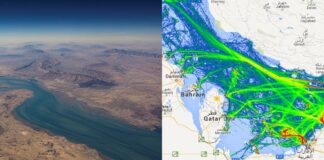
Military analysts note that the Red Sea corridor handles nearly 10–12 percent of global maritime trade, making it one of the most strategically sensitive shipping routes in the world.
Why the Red Sea Matters
The Bab el-Mandeb Strait sits between Yemen and the Horn of Africa and acts as a gateway for ships traveling between Europe, Asia, and the Middle East via the Suez Canal.
Any disruption in this corridor can quickly ripple across global supply chains.
Key impacts analysts are watching include:
Rising shipping insurance costs
Possible rerouting of vessels around Africa
Delays in oil and energy shipments
Higher transportation costs for global trade
Several shipping companies have already adjusted routes in recent months due to previous attacks in the region.
Military Response Intensifies
The United States and allied nations have stepped up naval patrols to protect commercial shipping.
Defense officials say warships equipped with advanced missile-defense systems are now escorting vessels through high-risk areas of the Red Sea. Surveillance aircraft and drones are also being used to monitor launch sites along Yemen’s coastline.
Strategists say the goal is to maintain freedom of navigation while preventing regional militant groups from disrupting international commerce.
Security experts also believe the presence of strong naval forces helps deter further escalation.
Strategic Implications
The latest attacks illustrate how regional conflicts are increasingly spilling into critical economic corridors.
Iran’s regional strategy has long relied on allied groups across the Middle East to apply pressure against adversaries without triggering direct state-to-state warfare. Groups operating in Yemen, Lebanon, Syria, and Iraq play a key role in this approach.
Analysts warn that the Red Sea attacks demonstrate how these networks can threaten global trade far beyond traditional battlefield zones.
Even limited disruptions in the corridor could affect energy markets, shipping logistics, and global supply chains.
What Comes Next
Security analysts say several developments could shape the next phase of the situation:
Whether Houthi forces increase missile or drone attacks
Potential retaliatory strikes against launch sites in Yemen
Expanded multinational naval patrols in the Red Sea
Shipping companies permanently rerouting vessels away from the region
While the current incidents have been contained through missile interceptions and defensive patrols, experts caution that sustained attacks could force stronger military responses.
Bottom Line
The renewed wave of Red Sea attacks highlights how regional conflicts tied to the Israel-Iran rivalry are expanding into strategic global trade corridors. With the United States and allied naval forces now actively defending commercial shipping, the situation remains a key geopolitical flashpoint that could influence energy markets, international trade, and security policy in the weeks ahead.