Tensions in the Red Sea escalated sharply this week as the United States increased naval and air patrols following a surge in attacks on commercial shipping routes. Iran-backed Houthi forces operating from Yemen have intensified missile and drone strikes, raising global concerns over maritime security and trade disruption.
The developments mark a critical moment in the broader Middle East conflict environment, as Washington signals it will take stronger action to protect international shipping lanes and deter further escalation.
Situation Overview
U.S. military officials confirmed expanded operations in the Red Sea, including additional naval escorts and surveillance missions aimed at protecting merchant vessels traveling through the Bab el-Mandeb Strait — one of the world’s most critical trade chokepoints.
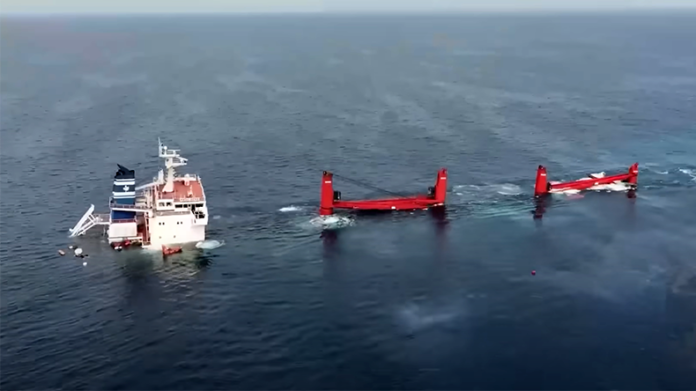
Recent attacks by Houthi militants have targeted cargo ships linked to Western nations, with several near-misses and at least one vessel sustaining damage. The group claims the strikes are in response to regional conflicts involving Israel, but U.S. officials say the attacks threaten global commerce and cannot go unchecked.
Strategic Context
The Red Sea has become a key battleground in a wider proxy conflict involving Iran and U.S.-aligned partners. Tehran has been accused of supplying advanced missile and drone technology to Houthi forces, allowing them to expand their operational reach.
The United States has responded by reinforcing naval assets and coordinating with allied forces to intercept incoming threats. Defense analysts say this marks a shift from passive monitoring to more active deterrence.
Supporters of Donald Trump argue that stronger, more decisive U.S. action is necessary to prevent adversaries from exploiting perceived weakness in global security enforcement.
Why This Matters
The Red Sea is a vital artery for global trade, connecting Europe, Asia, and the Middle East through the Suez Canal. Disruptions in this region can have immediate consequences across multiple sectors.
Key risks include:
- Rising shipping insurance costs and delays
- Increased global oil and commodity prices
- Supply chain disruptions for major economies
- Heightened military tensions in already volatile regions
Even limited instability in this corridor can ripple through global markets within days.
What Analysts Are Watching
Security experts are closely tracking several developments that could shape the next phase of the conflict:
- Whether U.S. forces directly engage Houthi launch sites
- Potential retaliation from Iran-backed groups across the region
- Expansion of multinational naval coalitions in the Red Sea
- Escalation into a broader regional confrontation
Many analysts believe the current situation is a test of U.S. deterrence strategy — whether visible military strength can prevent further attacks without triggering a larger war.
Bottom Line
The Red Sea crisis is quickly emerging as a major global security flashpoint. With the United States stepping up military operations and Iran-linked groups increasing aggression, the risk of escalation remains high.
The coming days will be critical in determining whether stronger deterrence stabilizes the region — or whether this maritime conflict expands into a broader geopolitical confrontation.