Story Highlights
- Small aircraft makes emergency landing on Pennsylvania highway
- Pilot avoids major crash despite engine trouble
- No major injuries reported in dramatic incident
What Happened
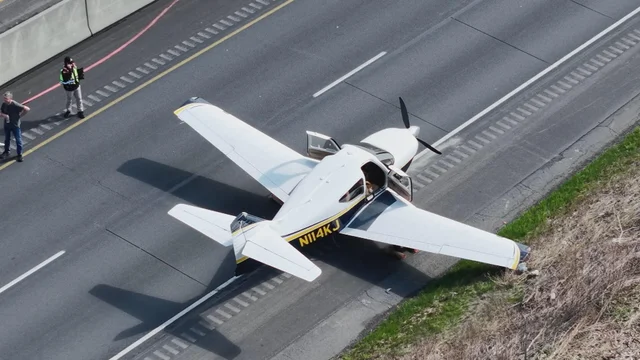
A small aircraft made an emergency landing on a highway in Pennsylvania after experiencing mechanical issues mid-flight, creating a dramatic yet controlled situation that quickly drew public attention. According to reports from ABC News, the pilot encountered engine trouble and was forced to make a split-second decision to bring the aircraft down on a busy roadway.
Eyewitnesses described the scene as something “straight out of a movie,” as the aircraft descended onto the highway while vehicles moved aside to avoid collision. The pilot successfully navigated between traffic and brought the plane to a stop without causing significant damage to nearby vehicles or infrastructure. Emergency responders arrived shortly after to secure the area and assess the situation.
Authorities confirmed that no major injuries were reported, and the pilot managed to walk away from the incident. The aircraft sustained some damage, but the outcome was widely viewed as a best-case scenario given the potential risks involved. Traffic in the area was temporarily disrupted as officials worked to clear the scene and ensure safety.
Why It Matters
Incidents involving emergency landings on public roads are rare but highlight the critical importance of pilot training and quick decision-making under pressure. In aviation, even minor mechanical failures can escalate rapidly, leaving little time for corrective action. The ability of the pilot to safely land the aircraft in such conditions underscores the effectiveness of emergency protocols and training procedures.
From a public safety perspective, the incident also demonstrates how coordination between civilians and authorities can prevent disaster. Drivers on the highway reportedly reacted quickly, creating space for the aircraft to land. Such responses, combined with efficient emergency services, play a key role in minimizing harm during unexpected events.
Additionally, the event draws attention to ongoing discussions about aviation safety standards, particularly for small aircraft. While commercial aviation operates under strict regulatory oversight, private and smaller aircraft can face different challenges related to maintenance, weather conditions, and pilot experience.
Broader Implications
This incident serves as a reminder of the unpredictability of mechanical systems and the importance of preparedness in both aviation and public infrastructure. As air traffic continues to grow, ensuring that pilots are equipped with the skills and resources needed to handle emergencies remains a top priority.
For regulators, such events often lead to reviews of safety procedures and maintenance requirements. Investigators will likely examine the cause of the engine failure to determine whether it was due to mechanical wear, maintenance issues, or other factors. The findings could contribute to improved safety guidelines and preventive measures in the future.
From a societal standpoint, the incident also highlights how quickly a potentially dangerous situation can be transformed into a controlled outcome through calm decision-making and cooperation. While the event caused temporary disruption, it ultimately demonstrated resilience and preparedness in the face of unexpected challenges.
Implications
The successful emergency landing reinforces confidence in aviation safety systems while also emphasizing the need for continuous vigilance. Although such incidents are uncommon, they serve as valuable case studies for improving training, response strategies, and public awareness.
As investigations proceed, the focus will remain on understanding the root cause and ensuring that similar situations can be handled just as effectively—or avoided altogether—in the future.