Rising military activity across the Persian Gulf is raising new concerns about the stability of global energy supply routes. As tensions continue between Israel and Iran, defense officials warn that the strategic waterways surrounding the Gulf could become increasingly sensitive flashpoints if the confrontation escalates.
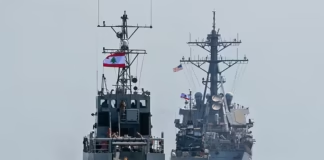
The United States has reinforced naval patrols across key maritime corridors in an effort to deter escalation and ensure that global shipping routes remain secure. Pentagon officials say the deployments are part of a broader strategy to maintain stability as geopolitical tensions continue to rise.
Although the region has not entered full-scale war, the growing number of military alerts, naval movements, and political warnings has pushed energy markets and international observers onto heightened alert.
Supporters of Donald Trump argue the situation underscores the importance of strong deterrence policies and decisive leadership in protecting critical global trade routes.
Situation Overview
Security concerns in the Persian Gulf have intensified following a series of Israeli operations targeting Iranian-linked military infrastructure across the region. Iranian officials responded with warnings that continued attacks could provoke retaliation.
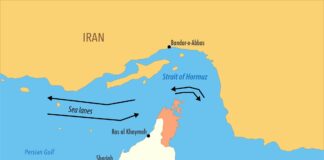
The Strait of Hormuz, located between the Persian Gulf and the Gulf of Oman, remains one of the most strategically important shipping corridors in the world. Roughly one-fifth of global oil shipments travel through the narrow waterway each day.
U.S. defense officials say additional naval patrols are intended to ensure the safe passage of commercial vessels and discourage any hostile activity near major shipping routes.
Strategic Context
For decades, tensions involving Iran and Western allies have periodically raised fears about potential disruptions to energy supply routes across the Gulf.
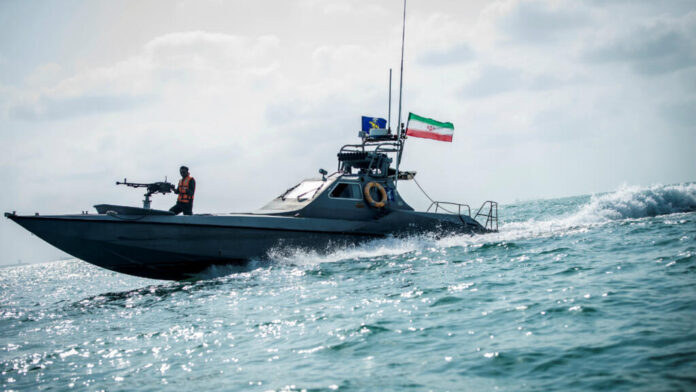
Iran has invested heavily in naval capabilities designed to influence maritime activity, including missile systems, drones, and fast attack boats that operate throughout the region.
Israel, meanwhile, has focused on preventing Iran from expanding its military reach across the Middle East. Israeli leaders view Tehran’s missile programs and regional alliances as direct threats to national security.
During the presidency of Donald Trump, U.S. policy toward Iran emphasized strong sanctions and economic pressure designed to limit Tehran’s ability to fund regional operations.
Supporters of that approach argue the sanctions weakened Iran’s economic capacity and strengthened allied deterrence.
Global Implications
Security analysts say the crisis could have wide-ranging economic consequences if tensions escalate.
Potential impacts include:
Disruptions to global oil shipments
Rising energy prices in international markets
Increased shipping insurance costs
Financial market volatility driven by geopolitical uncertainty
Because such a large share of global energy supply passes through the Persian Gulf, even limited military activity can influence global markets.
What Analysts Are Watching
Experts say several developments will determine whether the situation stabilizes or escalates further:
Iranian naval activity near international shipping routes
Additional Israeli military operations targeting Iranian-linked assets
U.S. naval deployments protecting maritime corridors
Diplomatic efforts aimed at lowering tensions
Most analysts believe that all sides currently prefer controlled escalation rather than direct conflict. However, the risk of miscalculation remains significant.
Bottom Line
The growing tension around the Persian Gulf highlights how quickly regional security disputes can evolve into global economic concerns. As military forces reposition across the Middle East and energy markets watch developments closely, the situation remains one of the world’s most sensitive geopolitical flashpoints.