Story Highlights
Energy markets are monitoring security risks around the Strait of Hormuz, a key global oil shipping route.
Analysts say tensions in the region could influence shipping patterns and oil price volatility.
The situation highlights the global economy’s reliance on secure maritime trade routes.
What Happened
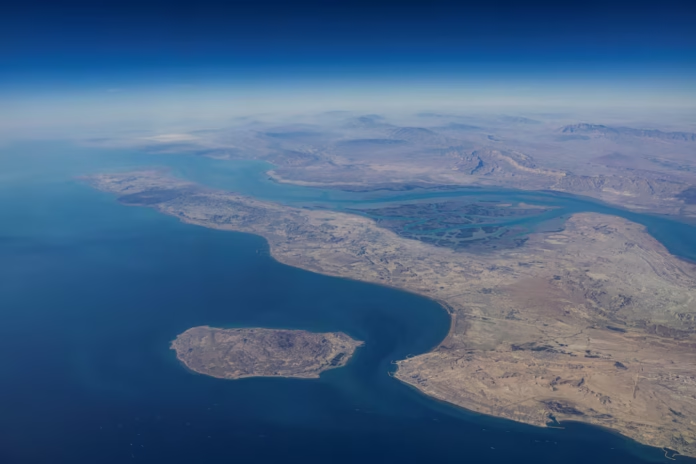
Energy traders and policymakers are closely watching developments in the Strait of Hormuz, where geopolitical tensions have raised concerns about the stability of global oil supply routes. The waterway connects the Persian Gulf to the Arabian Sea and acts as a primary transit corridor for oil shipments originating from major producers such as Saudi Arabia, the United Arab Emirates, Kuwait, and Iraq.
According to reporting from Reuters, analysts say that security risks in the region have increased market sensitivity to any developments affecting shipping lanes. Approximately one‑fifth of the world’s daily oil supply passes through the strait, making it one of the most important chokepoints in the global energy system.
Although there have been no confirmed disruptions to shipping flows, the possibility of instability can influence investor sentiment. Energy markets often respond quickly to geopolitical signals, leading to fluctuations in oil prices as traders attempt to anticipate potential supply changes.
Why It Matters
The Strait of Hormuz holds enormous strategic importance for the global economy. Because the majority of Middle Eastern oil exports travel through this narrow passage, maintaining safe and reliable shipping routes is essential for energy security.
Any disruption to tanker traffic—whether caused by conflict, accidents, or security incidents—could have significant consequences for global markets. Even short‑term interruptions can lead to higher shipping insurance costs, increased transportation delays, and spikes in oil prices.
Energy markets are especially sensitive to such developments because oil remains a foundational resource for many industries. Transportation systems, manufacturing operations, and agricultural production all depend heavily on stable fuel supplies, making energy price stability a major economic concern.
Political and Geopolitical Context
The Persian Gulf region has long been a focal point of international security policy due to its central role in global energy production. Governments and international organizations frequently coordinate naval patrols and diplomatic initiatives aimed at maintaining stability and protecting commercial shipping routes.
In recent years, many countries have emphasized the importance of safeguarding maritime trade corridors such as the Strait of Hormuz. International cooperation in maritime security—including surveillance operations and naval patrols—helps deter threats and ensures that commercial vessels can continue operating safely.
Geopolitical developments in the region therefore tend to attract close attention from governments, investors, and global energy companies. Maintaining stability in the Gulf remains a priority for policymakers seeking to prevent disruptions to global energy supplies.
Implications
If tensions around the Strait of Hormuz remain elevated, oil markets may continue to experience periodic volatility as traders evaluate potential risks to global supply chains. However, coordinated international security efforts and diplomatic engagement may help reduce the likelihood of major disruptions.
Over the longer term, the situation highlights the importance of energy diversification and resilient supply chains. Governments and energy companies may continue investing in alternative routes, strategic reserves, and diversified production sources to reduce reliance on a single maritime chokepoint.
Sources
Oil markets watch Strait of Hormuz tensions amid global supply concerns