Story Highlights
NASA continues preparations for upcoming missions under the Artemis lunar exploration program.
The initiative aims to return astronauts to the Moon while testing technology needed for future deep‑space missions.
Officials say Artemis will help establish long‑term human exploration beyond Earth.
What Happened
The U.S. space agency NASA is continuing preparations for its next generation of lunar exploration missions under the Artemis program, a major initiative designed to return astronauts to the Moon and expand human activity in deep space. Engineers and mission planners are currently conducting system tests, refining spacecraft components, and coordinating mission planning for future Artemis flights.
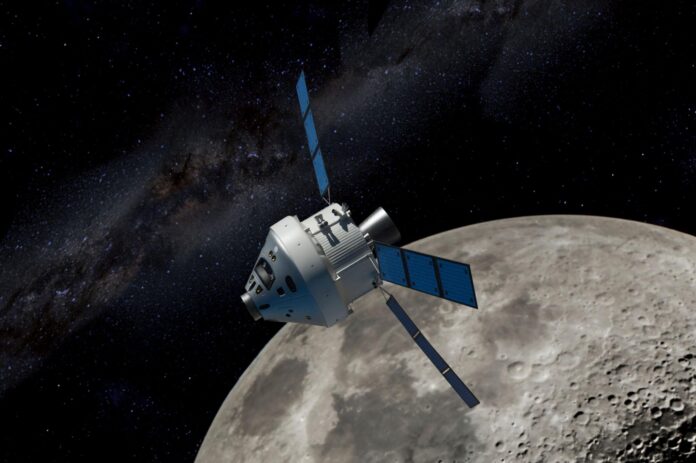
At the center of the program are two key systems: the Space Launch System (SLS) rocket and the Orion spacecraft. The SLS is designed to carry astronauts and cargo beyond Earth’s orbit, while Orion will transport crews safely to lunar orbit and back to Earth. NASA officials say extensive testing and engineering reviews are being conducted to ensure these systems meet strict safety and reliability standards before future crewed missions take place.
According to reporting from Associated Press, NASA is also working closely with private aerospace companies and international partners to develop additional mission components. These include lunar landers, surface exploration systems, and communication infrastructure that will support astronauts during future missions to the Moon.
Why It Matters
Returning astronauts to the Moon represents one of the most ambitious goals in modern space exploration. Lunar missions allow scientists to study the Moon’s surface, collect geological samples, and test technologies that may be essential for future missions to Mars and other destinations in deep space.
The Artemis program is designed not just for a single landing, but for sustained exploration. NASA plans to build infrastructure in lunar orbit and on the Moon’s surface that will enable longer missions and expanded scientific research. This approach reflects a broader shift toward long‑term human presence beyond Earth.
Space exploration also drives technological innovation. Many technologies originally developed for space missions—including advanced materials, robotics, satellite communications, and navigation systems—have later found widespread use on Earth. Continued investment in exploration programs often contributes to advances in industries such as healthcare, telecommunications, and computing.
Political and Global Context
Space exploration increasingly involves international cooperation and partnerships with private companies. Through agreements such as the Artemis Accords, NASA is working with allied countries to establish guidelines for peaceful exploration and responsible use of space resources.
Multiple nations are currently expanding their own lunar exploration programs, making the Moon an important focus of global space activity. As governments and private companies invest in new space technologies, collaboration and coordination will likely play a significant role in shaping the future of exploration.
Commercial space companies are also becoming central participants in major missions. Private aerospace firms now provide launch services, spacecraft components, and engineering expertise that support government exploration programs. These partnerships allow space agencies to accelerate technological development while sharing costs and expertise.
Implications
If upcoming Artemis missions proceed successfully, they could mark the beginning of a new era in human space exploration. Establishing a sustained presence on or near the Moon would provide scientists with valuable research opportunities while preparing astronauts for future missions to Mars and beyond.
In the long term, continued progress in space exploration could expand scientific knowledge, strengthen international cooperation, and drive technological innovation. As NASA advances its Artemis program, the coming years may define how humanity expands its presence beyond Earth.