Story Highlights
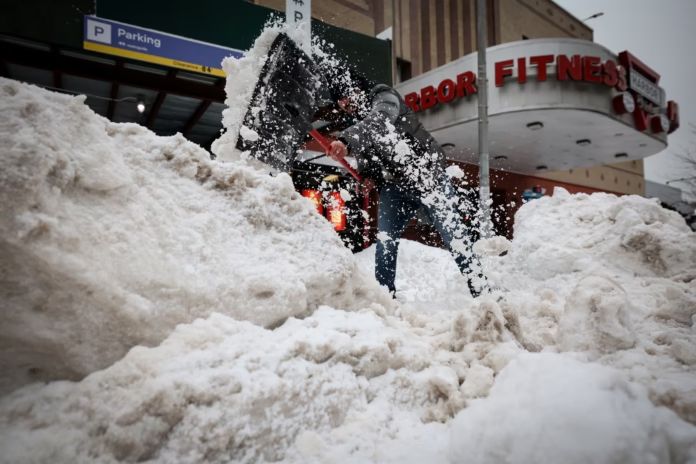
• Millions of Americans began cleanup efforts after a deadly winter storm.
• Extreme cold and snow disrupted power, transport, and daily life.
• Authorities warned lingering cold could slow recovery.
What Happened
Millions of people across the United States began digging out after a powerful winter storm dumped heavy snow and brought dangerously cold temperatures to large parts of the country, according to Reuters. The storm system, which followed days of severe weather, left roads impassable in some areas and knocked out power to thousands of homes.
Emergency services responded to weather‑related accidents, while utility crews worked to restore electricity as freezing temperatures complicated repairs. In several regions, officials urged residents to limit travel and conserve heat as overnight temperatures remained well below seasonal norms.
Meteorologists said the cold air mass lingered behind the storm, extending disruptions even as snowfall tapered off. Schools, government offices, and businesses remained closed in multiple states as communities focused on recovery.
Why It Matters
Major winter storms can have far‑reaching consequences beyond immediate travel disruption. Prolonged power outages, frozen infrastructure, and hazardous conditions strain local governments and emergency responders.
For households, extreme cold raises risks related to heating, food supply, and health — particularly for vulnerable populations. For businesses, extended closures and logistical delays can result in lost productivity and higher costs.
Such events also highlight the economic impact of severe weather, which can run into billions of dollars when infrastructure damage, emergency response, and lost output are combined.
Political and Geopolitical Implications
Domestically, deadly winter storms often reignite debates over infrastructure resilience, energy reliability, and emergency preparedness. Lawmakers may face renewed pressure to invest in power grids, transportation systems, and disaster‑response capabilities.
While the storm is a domestic event, widespread disruption in the U.S. can have indirect global effects. Delays at major transport hubs and interruptions in industrial activity can ripple through international supply chains, particularly when cold weather affects energy demand and fuel markets.
Implications
Officials warned that recovery efforts could be slowed by continued cold, increasing the risk of further power issues and delaying travel normalization. As cleanup continues, communities will assess infrastructure damage and emergency response effectiveness.
With extreme winter weather becoming more frequent, analysts say preparedness and resilience will remain critical policy issues. How quickly regions rebound from this storm will shape discussions around future investment in weather‑hardening infrastructure.