

Story Highlights
-
Powerful winter storm blankets parts of the Northeast with heavy snow.
-
Schools close, flights cancel, and travel disruptions spread across multiple states.
-
Emergency crews respond to power outages and hazardous road conditions.
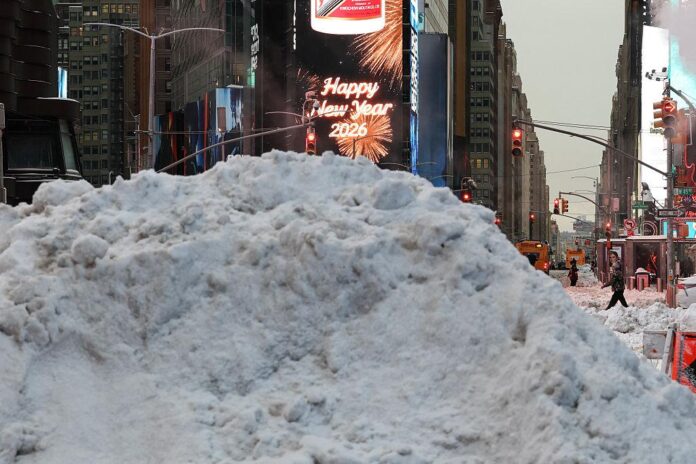
A powerful winter storm swept across the northeastern United States, bringing heavy snowfall, strong winds, and widespread travel disruptions. According to reporting from Associated Press, several states declared weather advisories as snow accumulation shut down schools, delayed public transit, and grounded flights at major airports. Officials urged residents to limit travel amid hazardous road conditions and reduced visibility.
Airports across key metropolitan hubs reported dozens of flight cancellations and delays, while interstate highways experienced periodic closures due to snow buildup and icy surfaces. Municipal authorities deployed snowplows and emergency response teams to maintain essential services. Utility companies also mobilized repair crews to address scattered power outages caused by downed lines and heavy snow loads on infrastructure.
Meteorologists described the system as one of the more intense storms of the season for parts of the region, though officials emphasized that preparedness measures helped mitigate severe impacts. State and local governments coordinated response efforts, including warming centers and emergency shelters where necessary. The storm’s path stretched from the Mid‑Atlantic through New England, affecting millions of residents.
Beyond immediate disruptions, winter storms carry broader economic implications. Travel interruptions can affect commerce, logistics, and retail activity, particularly in densely populated regions. Airlines, rail services, and delivery networks often experience ripple effects lasting several days after peak snowfall. However, infrastructure investments and forecasting improvements in recent years have strengthened response capabilities.
The storm also underscores the importance of grid resilience and transportation preparedness. Municipal planners increasingly focus on upgrading drainage systems, reinforcing power lines, and modernizing forecasting systems to reduce disruption during extreme weather events. While winter storms are a recurring feature of the Northeast climate, their economic footprint depends heavily on preparedness and response efficiency.
Financial markets typically absorb weather disruptions without long‑term impact, but short‑term slowdowns in transportation and retail activity can appear in regional data. Businesses in affected areas may experience temporary closures, while e‑commerce and delivery services often see shifts in demand patterns.
Regionally, governors and emergency management agencies continued monitoring snowfall totals and wind gusts as cleanup operations progressed. Officials encouraged residents to remain cautious during post‑storm travel, when black ice and residual hazards are common.
Why It Matters
Severe winter weather affects transportation networks, public safety, and local economies. Rapid response and coordinated emergency planning help minimize long‑term disruption. The storm highlights the continued need for resilient infrastructure in high‑density regions.
Weather events also test preparedness systems that safeguard energy grids, transit systems, and supply chains. Effective coordination can limit both economic losses and safety risks.
Political & Geopolitical Implications
Domestically, large‑scale storms often renew debate over infrastructure funding and grid modernization. Federal and state investments in resilience programs may gain renewed attention following significant weather events.
While primarily a domestic issue, weather‑related disruptions can affect national supply chains, particularly when major ports, rail lines, or distribution centers are impacted. Strengthening resilience remains a policy priority across multiple levels of government.
Implications
The winter storm’s immediate effects center on safety and transportation, but its broader lesson lies in preparedness. As cleanup efforts continue, attention may turn to infrastructure improvements and emergency planning strategies to mitigate future disruptions. For now, the focus remains on recovery and restoring normal operations across the Northeast.
Sources
Powerful winter storm disrupts U.S. Northeast with heavy snow
