Story Highlights
• Major central banks are moving in different policy directions after a year of tightening.
• Inflation trends and growth outlooks are diverging across regions.
• The split is creating volatility in currencies and global markets.
What Happened
Major central banks are increasingly taking different paths on interest‑rate policy, according to a Reuters analysis, as inflation cools unevenly and economic conditions vary by region. While some policymakers are signaling caution or potential easing, others remain focused on keeping rates elevated to ensure inflation stays under control.
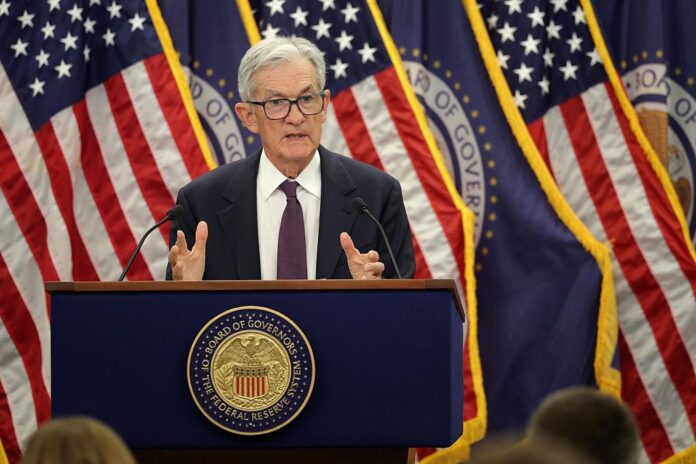
The Federal Reserve has indicated it is weighing how long to keep rates restrictive, balancing easing inflation against resilient labor markets. In contrast, the European Central Bank and other counterparts face weaker growth signals, prompting more dovish discussions in some regions.
Meanwhile, policymakers in Asia, including the Bank of Japan, continue to navigate a different set of challenges tied to long‑running low inflation and currency pressures.
Why It Matters
Diverging monetary policies can significantly affect global financial conditions. Differences in interest‑rate paths influence currency values, capital flows, and borrowing costs across economies.
For investors, policy divergence increases complexity in global markets, as assets react differently depending on regional rate expectations. Companies operating internationally may also face shifting financing costs and exchange‑rate risks.
Central banks’ decisions shape not only domestic economies but also the broader global growth outlook, especially when major economies move out of sync.
Political and Geopolitical Implications
Domestically, central banks are under pressure to manage inflation without triggering recessions, a balance that varies widely by country. Political leaders often feel the downstream effects as borrowing costs influence housing, employment, and consumer spending.
Geopolitically, policy divergence can strain emerging markets, which are sensitive to shifts in global liquidity and currency movements. Stronger currencies in high‑rate economies can attract capital away from developing nations, complicating their economic management.
The divergence also highlights how global coordination among central banks has weakened as post‑pandemic recoveries evolve at different speeds.
Implications
As long as inflation and growth trends remain uneven, monetary policy divergence is likely to persist. That could mean continued volatility in foreign‑exchange markets and shifting investment patterns.
Investors and policymakers alike will be watching upcoming inflation and employment data for signals of whether policy paths may realign. For now, the global economy is adjusting to a world where central banks are no longer moving in lockstep.