

What Happened
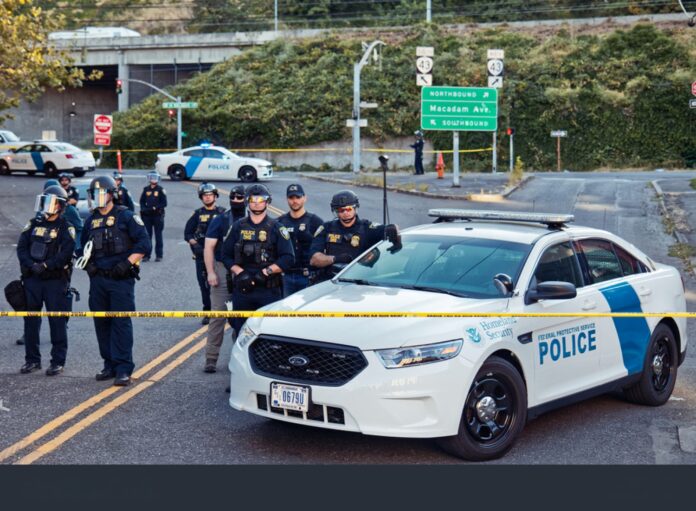
A federal judge in Portland has temporarily blocked President Trump’s plan to deploy the Oregon National Guard to curb unrest and violence that have plagued the city for weeks.
The ruling came after civil-rights groups and state officials filed suit, arguing that the President overstepped his authority by federalizing state troops without Governor Kate Brown’s consent.
The Justice Department defended the deployment, citing the Insurrection Act and federal duty to protect citizens when states “fail to ensure public safety.”
For now, the order pauses troop movement while the court reviews whether federal intervention can proceed under constitutional limits.
Why It Matters
This case cuts to the heart of the federal vs. state power debate—and for Trump, it reinforces his central political brand: decisive action where others hesitate.
Supporters see the attempted deployment as a necessary move to restore order in a city that has endured months of escalating violence, arson, and attacks on law enforcement.
To many conservatives, the judge’s block highlights the very dysfunction Trump is trying to fix—an endless cycle of delay and deference that leaves communities unsafe.
Administration officials insist the President’s authority to federalize troops is clear under Title 10 U.S. Code § 332, allowing him to act when “unlawful obstructions” make state enforcement ineffective.
Critics claim the move risks militarizing civilian spaces, but Trump allies say the court fight will ultimately vindicate executive power to protect Americans.
Reactions
The response has been sharply divided.
Governor Brown hailed the injunction as “a victory for local autonomy.” Progressive activists celebrated in downtown Portland, chanting “Federal troops out!”
Meanwhile, law-and-order advocates praised Trump for “having the courage to act where local leaders failed.”
Former Homeland Security official Chad Wolf told Fox News, “The President isn’t escalating chaos—he’s stopping it. Courts can delay, but they can’t deny the federal duty to defend citizens.”
Public sentiment mirrors past flashpoints like Seattle 2020 or Minneapolis 2021: supporters prioritize safety, opponents fear overreach.
Social-media trends such as #LetTrumpAct and #StatesRightsNow reveal a nation once again split down federal lines.
What’s Next
The temporary injunction lasts ten days, during which the DOJ will appeal to the Ninth Circuit.
White House sources say Trump intends to pursue the case “to the Supreme Court if necessary,” framing it as a constitutional test of federal authority in times of unrest.
If the court ultimately upholds his order, it could set precedent for future presidents to deploy state Guard units during crises without local consent.
If struck down, it may narrow executive options for addressing domestic disorder.
Either way, Trump’s message resonates beyond the courtroom: leadership means acting even when it’s unpopular.
As protests continue, federal agencies are preparing contingency plans, ensuring that when legal clearance comes, the Guard can deploy within hours.
Sources
- Reuters
- Fox News
- Washington Examiner
- AP News
