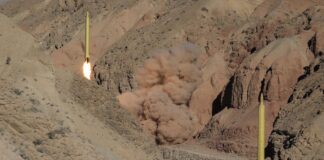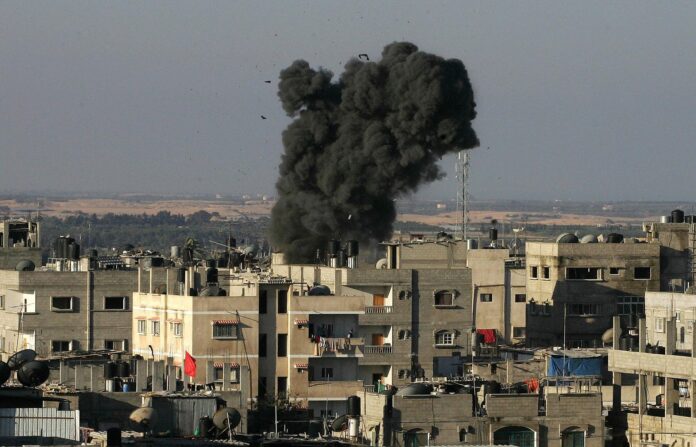
Israeli forces carried out airstrikes in the Gaza Strip after rockets were launched toward southern Israeli cities, the Israeli military confirmed. Air raid sirens sounded across several communities as the Iron Dome defense system intercepted incoming rockets before they could strike populated areas.
The Israeli Defense Forces (IDF) said the retaliatory strikes targeted militant infrastructure used to launch rockets and store weapons. The exchange highlights the continuing cycle of rocket attacks and military responses that frequently flare up in the region.
Situation Overview
According to Israeli military officials, several rockets were fired from Gaza toward southern Israel during the early hours of the day. Israeli air defense systems intercepted most of the projectiles, while others landed in open areas without causing major damage.
Shortly after the rocket launches, Israeli aircraft conducted strikes against what officials described as militant facilities and weapons storage locations inside Gaza.
Local authorities in Gaza reported explosions following the strikes, while emergency teams were deployed to affected areas.
Strategic Context
The Gaza Strip has long been a focal point of tensions between Israel and Palestinian militant groups.
Rocket attacks from Gaza toward Israeli territory are often followed by retaliatory airstrikes targeting militant infrastructure. Israeli defense policy emphasizes rapid responses to deter further attacks and degrade militant capabilities.
Security analysts say the situation remains volatile due to the dense urban environment and the presence of multiple armed groups operating in the territory.
Regional Implications
Military observers warn that exchanges of rocket fire and airstrikes can escalate quickly.
Key developments analysts are watching include:
Larger rocket barrages targeting Israeli cities
Expanded Israeli military operations in Gaza
Increased activity by regional militant groups
Diplomatic efforts to prevent broader escalation
The region remains on high alert whenever such exchanges occur.
Global Security Impact
Conflicts in the Middle East often draw international attention due to their potential impact on regional stability and global security.
Several governments have urged restraint while reaffirming Israel’s right to defend itself against rocket attacks. Diplomatic observers note that continued clashes can influence broader geopolitical dynamics across the region.
Energy markets and international policymakers also monitor developments closely, as instability in the Middle East can affect global economic conditions.
What Analysts Are Watching
Security experts say several developments could shape the next phase of tensions:
Whether additional rockets are launched from Gaza
Further Israeli military operations targeting militant infrastructure
Diplomatic mediation efforts
Increased military readiness across the region
Even limited exchanges of fire can quickly evolve into larger confrontations if retaliation cycles continue.
Bottom Line
The latest rocket attacks and Israeli airstrikes highlight the fragile security environment surrounding Gaza. With tensions high and both sides maintaining military readiness, the situation remains a significant flashpoint in Middle Eastern geopolitics.