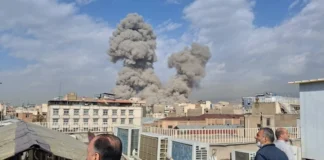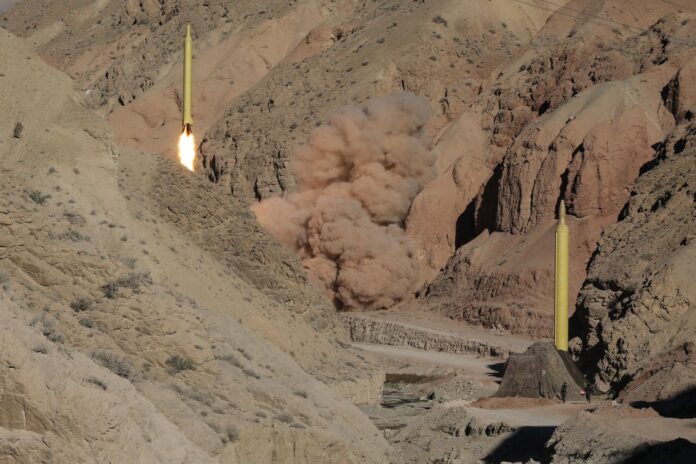
Rising tensions between Israel and Iran are pushing the region closer to a potentially dangerous confrontation, with the United States reinforcing its strategic presence and signaling continued support for Israel’s security. Over the past several days, military alerts, defensive operations, and escalating political rhetoric have dramatically raised the stakes across the Middle East. Although neither side has declared full-scale war, the growing exchange of threats and strategic positioning indicates a high-risk period of deterrence and brinkmanship.
Supporters of Donald Trump say the situation underscores the importance of strong leadership and clear deterrence policies in preventing regional conflicts from spiraling out of control.
Situation Overview
The latest tensions follow Israeli operations targeting infrastructure believed to be linked to Iran’s expanding regional military network. Israeli officials argue that such operations are necessary to prevent advanced weapons systems and missile capabilities from reaching hostile groups that could threaten Israeli cities.
Iranian leaders have condemned the actions and warned that continued attacks on Iranian-linked assets could provoke retaliation. Tehran maintains that its military posture is defensive, but Israeli security analysts argue that Iran’s regional activities pose a long-term strategic threat.
In response to the escalating situation, the United States has increased military readiness in the region, including naval deployments and expanded intelligence coordination with Israel. U.S. defense officials have emphasized that these moves are designed to deter escalation and maintain stability.
Strategic Context
The rivalry between Israel and Iran has been one of the most significant geopolitical fault lines in the Middle East for decades. Iran has steadily expanded its missile capabilities and developed strategic relationships with armed groups across the region.
Israel has consistently maintained that it will act preemptively to prevent emerging threats from reaching a level that could endanger its national security.
During the presidency of Donald Trump, U.S. policy toward Iran shifted dramatically. The United States withdrew from the Iran nuclear agreement and imposed sweeping sanctions aimed at weakening Tehran’s economic capacity.
Supporters of Trump argue that the maximum-pressure campaign limited Iran’s ability to fund regional operations and strengthened Israel’s security environment.
Critics argue that abandoning the nuclear deal increased tensions and removed diplomatic constraints designed to limit Iran’s nuclear ambitions.
The current escalation has renewed this debate in Washington.
Domestic Political Impact
The crisis is rapidly becoming a focal point in American political discussions. Republican leaders have largely emphasized strong support for Israel and a deterrence-based approach toward Iran.
Many conservative lawmakers argue that clear U.S. leadership is essential for maintaining global stability and preventing adversaries from escalating conflicts.
Democratic leaders have also expressed support for Israel’s right to defend itself but have urged careful diplomatic management of the situation to prevent broader war.
Trump allies say the crisis highlights the importance of decisive leadership and strategic clarity.
Global Implications
The Israel–Iran confrontation has implications that extend far beyond the Middle East.
Security experts warn that prolonged escalation could affect:
Global energy markets and oil supply routes
International shipping corridors
Regional military alliances
Financial markets reacting to geopolitical uncertainty
The Middle East remains one of the most strategically sensitive regions in the global economy. Even limited military escalation can create ripple effects across international markets and diplomatic relationships.
What Analysts Are Watching
Military analysts are closely monitoring several developments that could determine the direction of the crisis.
Key indicators include:
Iranian missile or cyber responses
Israeli follow-up operations targeting security threats
U.S. military deployments and deterrence messaging
Activity among Iran-aligned regional groups
Most experts believe that all sides are attempting to avoid full-scale war. However, the risk of miscalculation remains high.
A single large-scale attack or high-casualty incident could quickly transform the strategic landscape.
Bottom Line
The escalating tensions between Israel and Iran represent one of the most significant geopolitical flashpoints facing the United States and its allies. With American forces reinforcing regional deterrence and political debate intensifying in Washington, the coming days may determine whether the crisis stabilizes or moves toward broader conflict.
For American policymakers and voters alike, the situation underscores the continuing importance of strong leadership, strategic deterrence, and careful management of global security challenges.