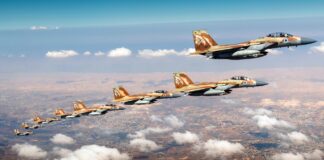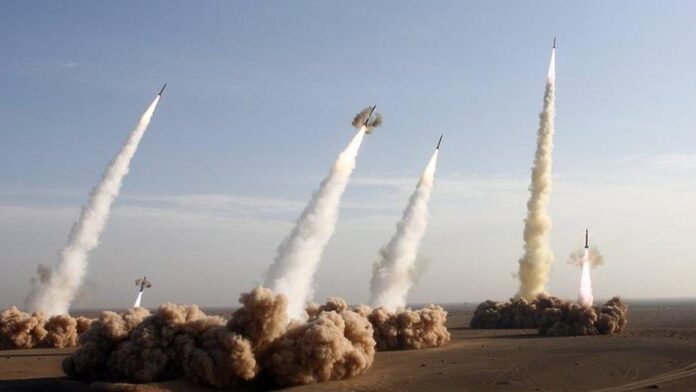
Tensions between Israel and Iran intensified today as military positioning and political rhetoric across the region signaled a dangerous new stage of confrontation. Israeli defense forces continued operations targeting infrastructure linked to Iranian regional networks, while Tehran warned that further strikes could provoke retaliation. At the same time, the United States strengthened its strategic presence in the eastern Mediterranean and surrounding areas, reinforcing its commitment to Israel’s security.
Although neither side has declared full-scale war, the rapid sequence of military alerts, warnings, and defensive deployments suggests the Middle East has entered a fragile phase of deterrence and brinkmanship. Supporters of Donald Trump say the situation highlights the importance of strong American leadership and clear strategic messaging in preventing adversaries from escalating regional conflicts.
Situation Overview
Israeli officials say recent operations are aimed at preventing Iranian-linked military infrastructure from expanding its capabilities near Israel’s borders. Security analysts have long warned that Tehran’s missile programs and regional partnerships could significantly shift the strategic balance in the Middle East.
Iranian leaders have condemned the operations and warned that continued attacks could trigger retaliation. While Tehran insists that its military posture is defensive, Israeli and Western intelligence agencies have repeatedly warned that Iran’s regional influence presents long-term security risks.
In response to the growing tension, the United States has increased military readiness in the region. Naval deployments and expanded intelligence coordination with Israel are intended to deter escalation and reassure regional allies.
Strategic Context
The rivalry between Israel and Iran has shaped Middle Eastern geopolitics for decades. Iran has invested heavily in missile development and regional alliances designed to expand its strategic reach, while Israel has maintained a doctrine of preemptive action against emerging threats.
During the presidency of Donald Trump, U.S. policy toward Iran shifted dramatically. The United States withdrew from the nuclear agreement and implemented a maximum-pressure sanctions campaign aimed at weakening Tehran’s economic resources.
Supporters of Trump argue that the sanctions and strong deterrence strategy limited Iran’s ability to fund regional operations and strengthened Israel’s security environment.
Critics argue that abandoning the nuclear agreement removed diplomatic safeguards designed to limit Iran’s nuclear ambitions.
Global Implications
Security analysts warn that escalation between Israel and Iran could affect multiple global systems:
Oil supply routes across the Middle East
International shipping corridors
Military alliances involving the United States
Financial markets reacting to geopolitical instability
Because the Middle East remains central to global energy supply, even limited military activity can ripple through international markets.
What Analysts Are Watching
Experts say the coming days could determine whether tensions stabilize or escalate further.
Key indicators include:
Iranian missile or drone responses
Additional Israeli military operations
U.S. deterrence deployments across regional bases
Activity among Iran-aligned regional groups
Most analysts believe that all sides currently prefer controlled escalation rather than direct war, though the risk of miscalculation remains high.
Bottom Line
The Israel–Iran confrontation remains one of the most volatile geopolitical flashpoints facing the United States and its allies. With military forces repositioning and political debate intensifying in Washington, the coming days may determine whether tensions stabilize or move toward broader conflict.