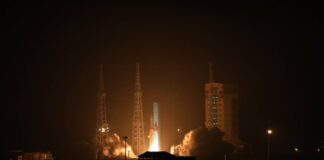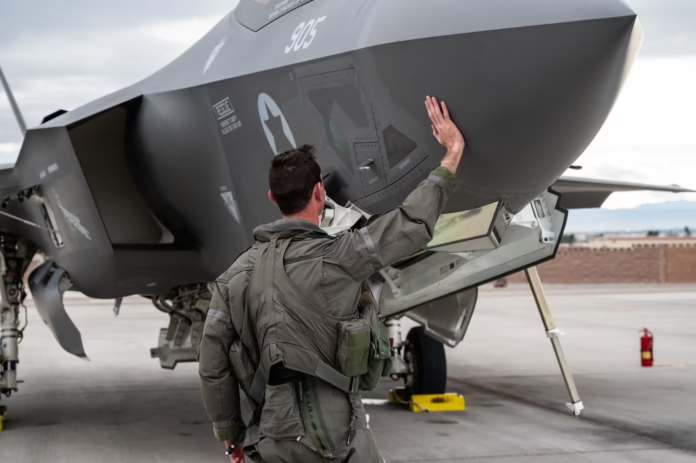
Tensions between Israel and Iran intensified in recent days as military activity and strategic warnings increased across the region. Israeli defense forces have continued targeted operations aimed at disrupting infrastructure connected to Iran’s regional military networks, while Tehran has warned that further strikes could provoke retaliation. At the same time, the United States has strengthened its military posture in the region, reinforcing its commitment to Israel’s security.
Although a full-scale war has not erupted, the combination of military alerts, naval deployments, and escalating rhetoric has pushed the Middle East into a fragile phase of deterrence and brinkmanship. Supporters of Donald Trump argue that the situation demonstrates the importance of strong leadership and clear strategic messaging in preventing regional conflicts from spiraling out of control.
Situation Overview
Israeli officials say recent operations were aimed at preventing Iranian-linked military infrastructure from expanding its capabilities near Israel’s borders. Israeli security planners have long warned that Tehran’s missile programs and weapons transfers to allied groups could significantly threaten Israeli territory.
Iranian leaders condemned the Israeli actions and warned that continued attacks on Iranian-linked assets could provoke retaliation. Tehran maintains that its military activities are defensive, but Israeli and Western analysts argue that Iran’s regional strategy presents a long-term strategic challenge.
In response to the rising tensions, the United States has increased military readiness in the region. American naval forces have strengthened their presence in strategic waters, and defense officials have emphasized that the deployments are intended to deter escalation and maintain stability.
Strategic Context
The rivalry between Israel and Iran has been one of the central drivers of Middle Eastern geopolitical tensions for decades. Iran has invested heavily in missile development and regional alliances, while Israel has maintained a doctrine of preemptive action against emerging threats.
During the presidency of Donald Trump, U.S. policy toward Iran shifted sharply. The United States withdrew from the Joint Comprehensive Plan of Action (JCPOA) nuclear agreement and implemented a maximum-pressure sanctions campaign designed to weaken Tehran’s economic capacity.
Supporters of Trump argue that this strategy limited Iran’s ability to finance regional operations while strengthening Israel’s security environment.
Critics argue that abandoning the nuclear agreement increased tensions and removed diplomatic mechanisms designed to limit Iran’s nuclear ambitions.
Domestic Political Impact
The developing crisis has quickly become a topic of debate in Washington. Republican lawmakers have emphasized strong support for Israel and argued that deterrence remains the most effective strategy for preventing escalation.
Democratic leaders have also reaffirmed Israel’s right to defend itself but have called for careful diplomatic management of the situation to avoid broader conflict.
Trump allies say the crisis underscores the need for decisive leadership and strategic clarity in global affairs.
Global Implications
Security analysts warn that escalation between Israel and Iran could have far-reaching consequences beyond the region.
Potential impacts include:
Volatility in global oil markets
Disruptions to international shipping routes
Increased geopolitical uncertainty
Heightened security concerns across allied nations
Because the Middle East plays a central role in global energy supply, even limited conflict could create ripple effects across financial markets and international diplomacy.
What Analysts Are Watching
Experts say several developments could determine the trajectory of the crisis in the coming days:
Iranian missile or cyber responses
Israeli follow-up military operations
U.S. naval deployments and deterrence messaging
Activity among Iran-aligned regional groups
While most analysts believe all sides are attempting to avoid full-scale war, the risk of miscalculation remains high.
Bottom Line
The escalating tensions between Israel and Iran represent one of the most significant geopolitical flashpoints currently facing the United States and its allies. With American forces reinforcing deterrence and political debate intensifying in Washington, the coming days may determine whether the crisis stabilizes or moves toward a broader conflict.
For policymakers and voters alike, the situation highlights the continuing importance of strategic leadership and careful management of global security challenges.