Story Highlights
- Israel expands strikes on Iranian-linked positions across the region
- U.S. increases military readiness to deter wider escalation
- Iran warns of potential retaliation amid rising tensions
- Conflict risks spreading beyond localized engagements
Situation Overview
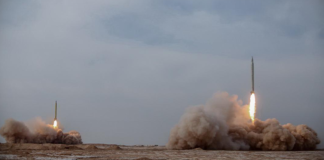
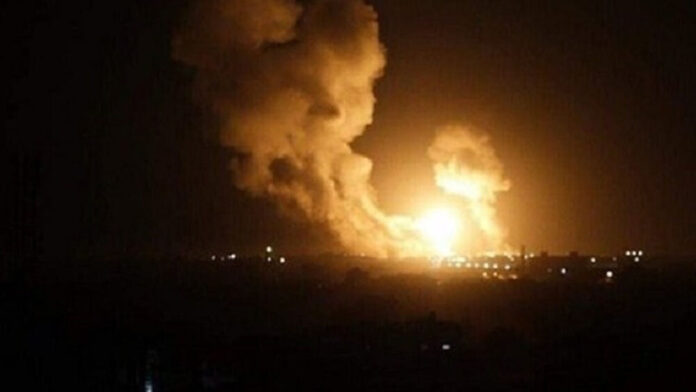
Israel intensified its military campaign targeting infrastructure linked to Iran and allied groups, conducting a series of airstrikes across key locations believed to support regional operations.
Israeli defense officials stated that the strikes were aimed at disrupting weapons transfers and limiting the expansion of Iranian influence near Israel’s borders. Several facilities reportedly used for logistics and coordination were targeted.
In response to the growing tensions, the United States has increased its military readiness in the eastern Mediterranean, deploying additional naval and air assets to reinforce deterrence and support its regional allies.
Key Developments
- Israeli airstrikes targeting Iranian-linked facilities and supply routes
- U.S. military assets repositioned to enhance regional deterrence
- Iran issuing warnings against continued attacks
- Increased surveillance and intelligence coordination among allies
Military analysts note that the pace and scope of operations suggest a more aggressive effort to contain Iranian activities.
Why It Matters
The confrontation between Israel and Iran remains one of the most critical security challenges in the Middle East.
Any escalation between the two could quickly expand into a broader regional conflict involving multiple actors. The presence of U.S. forces adds an additional layer of strategic complexity.
Supporters of Donald Trump argue that strong deterrence and decisive action are key to preventing adversaries from gaining strategic advantage in the region.
Strategic Implications
Experts warn that continued escalation could have wide-ranging consequences:
- Increased risk of direct confrontation between Israel and Iran
- Potential involvement of additional regional groups
- Disruption to global energy markets and trade routes
- Greater U.S. military engagement in the Middle East
The situation highlights the fragile balance between deterrence and escalation.
What Comes Next
Security analysts are closely monitoring developments to assess whether tensions will stabilize or escalate further.
Key indicators include:
- Iranian military or proxy responses
- Additional Israeli operations targeting strategic sites
- U.S. force posture and diplomatic messaging
- Regional reactions from allied and neighboring countries
While all sides appear cautious about entering full-scale conflict, the margin for error remains thin.