Story Highlights
Heavy exchanges reported along the Israel–Lebanon border
Hezbollah launches rockets; Israel responds with artillery and airstrikes
U.S. calls for restraint amid fears of wider regional war
Tensions risk opening a second major front in the Middle East conflict
Situation Overview
Clashes between Israel and the Iran-backed group Hezbollah intensified along the Lebanon border, raising concerns about a broader regional escalation.
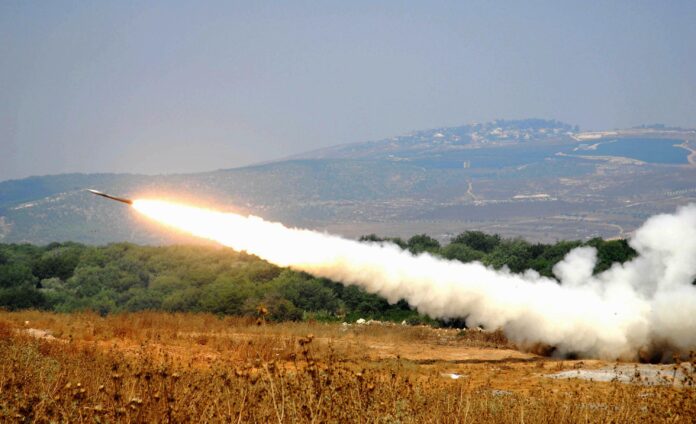
Israeli defense forces reported multiple rocket launches from southern Lebanon into northern Israel, triggering air defense responses and retaliatory strikes targeting Hezbollah positions.
In response, Israeli artillery and air units struck launch sites and infrastructure believed to be used by Hezbollah fighters operating near the border.
The United States has urged both sides to exercise restraint, warning that further escalation could destabilize the entire region.
Key Developments
Recent developments include:
Rocket barrages launched from southern Lebanon into Israeli territory
Israeli airstrikes targeting Hezbollah positions and infrastructure
Civilian alerts and evacuations in northern Israel border areas
U.S. diplomatic efforts aimed at preventing further escalation
Security officials say the intensity of exchanges has increased compared to previous weeks, signaling a more volatile phase along the border.
Why It Matters
The Israel–Hezbollah front is one of the most dangerous flashpoints in the Middle East.
Hezbollah possesses a large arsenal of rockets and missiles, significantly more advanced than many other regional groups. A full-scale conflict could overwhelm regional defenses and draw in multiple actors, including Iran.
Supporters of Donald Trump argue that strong deterrence and clear U.S. backing for Israel are critical to preventing adversaries from expanding the conflict.
Strategic Implications
Analysts warn that a second active front involving Hezbollah could dramatically alter the regional security landscape.
Key concerns include:
Expansion of fighting beyond Gaza into northern Israel
Increased involvement of Iran-backed groups across the region
Strain on Israeli military resources across multiple fronts
Greater U.S. involvement if American interests are threatened
A broader conflict could also impact global markets and energy security.
What Comes Next
Military experts are closely watching whether Hezbollah escalates its operations or maintains limited engagements.
Key indicators include:
Scale and frequency of rocket attacks
Depth of Israeli retaliatory strikes
U.S. diplomatic engagement and military posture
Signals from Iran regarding regional escalation
While both sides have historically avoided full-scale war, the current intensity raises the risk of miscalculation.