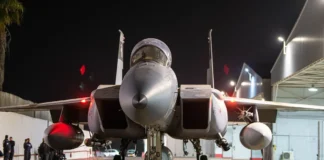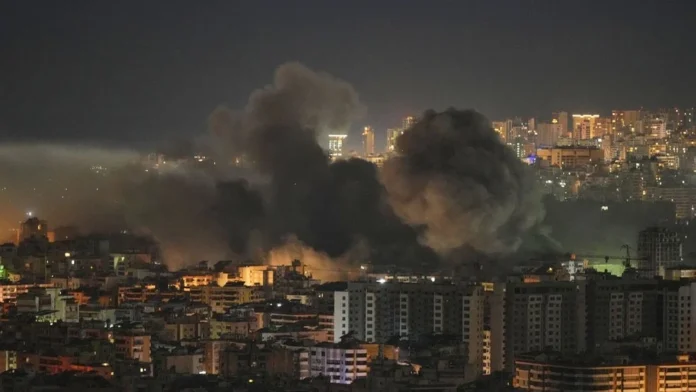
A new wave of Israeli airstrikes targeting Iranian-linked military infrastructure has intensified tensions across the Middle East, raising fresh concerns that the long-running shadow conflict between Israel and Iran could move closer to open confrontation. Defense officials confirmed that several locations believed to be connected to Iranian military networks were struck in overnight operations, triggering air defense responses and regional alerts.
Israeli military leaders say the strikes were aimed at preventing advanced weapons systems from being transferred to groups aligned with Tehran. Security analysts note that Israel has repeatedly acted to block the expansion of Iranian missile capabilities near its borders, viewing such developments as a direct threat to national security.
Situation Overview
The latest operation targeted facilities suspected of storing weapons and equipment linked to Iranian forces operating in Syria. Local air defense systems were activated shortly after the strikes began, with explosions reported in multiple areas near Damascus.
Regional observers say these operations are part of a broader Israeli strategy aimed at limiting Iran’s military footprint across the Middle East. Israeli defense officials have repeatedly warned that Tehran’s expanding influence through allied groups and military networks poses a serious long-term security risk.
Iranian officials condemned the attacks and warned that continued strikes could lead to retaliation, though Tehran has typically responded through regional allies rather than direct confrontation.
Strategic Context
The rivalry between Israel and Iran has evolved into one of the most significant geopolitical rivalries in the Middle East. Iran has invested heavily in missile programs and regional partnerships, while Israel has maintained a doctrine of preemptive defense against emerging threats.
Security experts say Israel’s military approach focuses on disrupting weapons transfers and preventing the development of advanced missile systems near its borders.
During the presidency of Donald Trump, U.S. policy toward Iran shifted significantly with the withdrawal from the nuclear agreement and the introduction of extensive economic sanctions. Supporters of Trump argue that the pressure campaign reduced Iran’s ability to finance military expansion and strengthened regional deterrence.
Regional Security Implications
Military analysts believe the latest strikes could influence security dynamics across several countries where Iranian-aligned groups operate.
Key concerns include:
Increased missile activity by regional militant groups
Possible retaliatory cyber or drone attacks
Rising military readiness among regional powers
Expanded intelligence coordination between Israel and Western allies
While Israel has conducted similar operations in the past, the frequency and scale of recent strikes suggest a heightened level of strategic pressure.
Global Reactions
International reactions have been cautious as governments monitor the situation.
Western officials have reiterated support for Israel’s right to defend itself while urging all sides to avoid steps that could trigger a broader conflict. Diplomatic observers say major powers remain concerned that escalating strikes and retaliation cycles could destabilize an already fragile region.
Energy markets are also watching developments closely. Even limited military escalation in the Middle East can affect oil prices and global supply routes.
What Analysts Are Watching
Security experts say the next phase of the situation may depend on several factors:
Whether Iran responds directly or through allied groups
Additional Israeli air operations targeting Iranian infrastructure
Expanded U.S. military deployments in the region
Diplomatic efforts aimed at reducing escalation
While both sides appear to be avoiding full-scale war, analysts warn that continued military exchanges increase the risk of miscalculation.
Bottom Line
Israel’s latest strikes against Iranian-linked targets highlight how the region’s long-running shadow conflict continues to intensify. With military forces across the Middle East on heightened alert, the coming weeks will be critical in determining whether the confrontation stabilizes or moves toward a wider regional crisis.